Unlocking Rakeback Structures Through Mobile App Tournament Alerts and Deposit Pathways
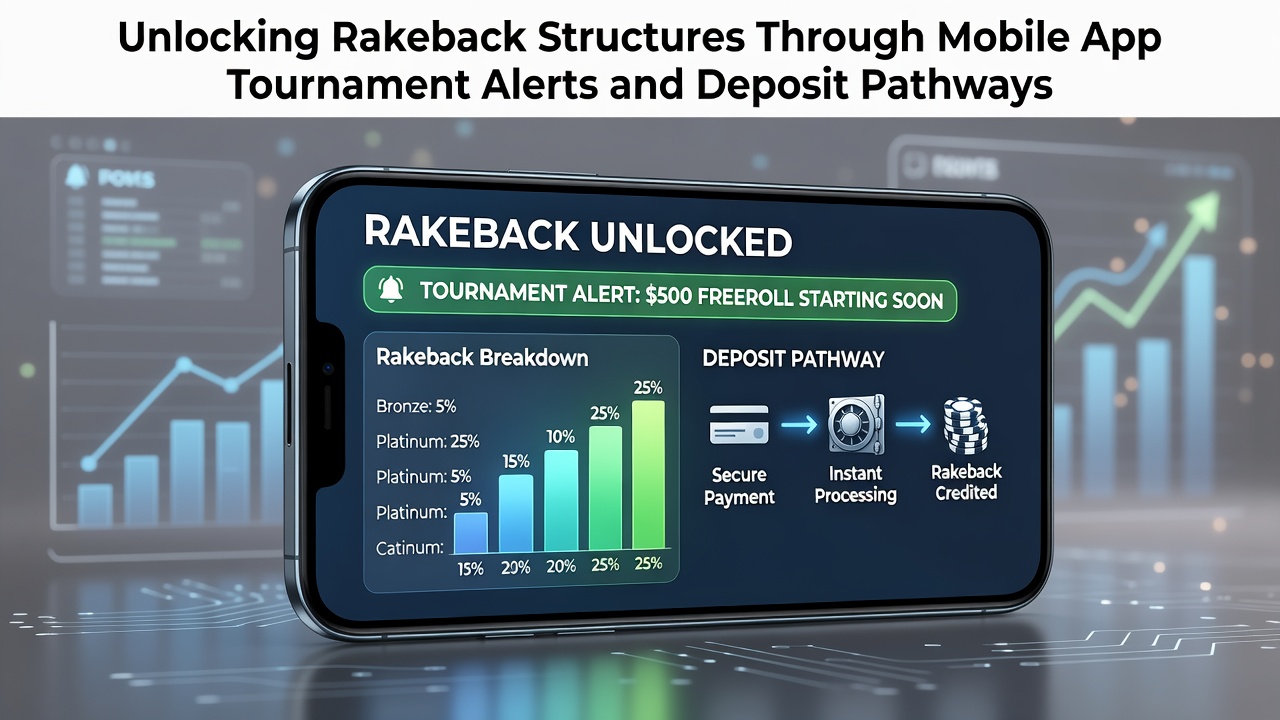
Online poker platforms have developed mobile applications that connect tournament notifications directly to deposit functions, and these connections allow players to access rakeback arrangements based on their activity patterns. Rakeback programs return a portion of the fees collected during cash games and tournaments, and operators structure these returns according to player volume and loyalty metrics. Mobile systems now send real-time alerts about upcoming events while simultaneously presenting deposit routes that unlock higher percentage returns on those fees.
Mechanics of Tournament Alerts in Mobile Platforms
Tournament alerts function through push notifications that detail start times, buy-in amounts, and associated rake percentages, and users who respond through the app interface often receive immediate confirmation of their eligibility for specific rakeback tiers. Data from industry reports shows that apps using integrated alert systems record higher engagement rates during peak hours, and this engagement frequently translates into deposits that qualify for tiered rewards. Observers note that the alerts include filters for game type and stake level, which helps players target events that align with their preferred rakeback structures without separate searches.
Deposit pathways appear within the same notification workflow, and tapping an alert can open a secure payment screen that credits the account instantly for tournament entry. Research indicates that seamless transitions from alert to deposit reduce the steps between decision and action, and this reduction supports consistent participation that accumulates rakeback points over time. Several platforms schedule these alerts around major series, and July 2026 schedules already list multiple events where alerts bundle deposit incentives with elevated rakeback rates for qualifying players.
Deposit Pathways and Rakeback Qualification
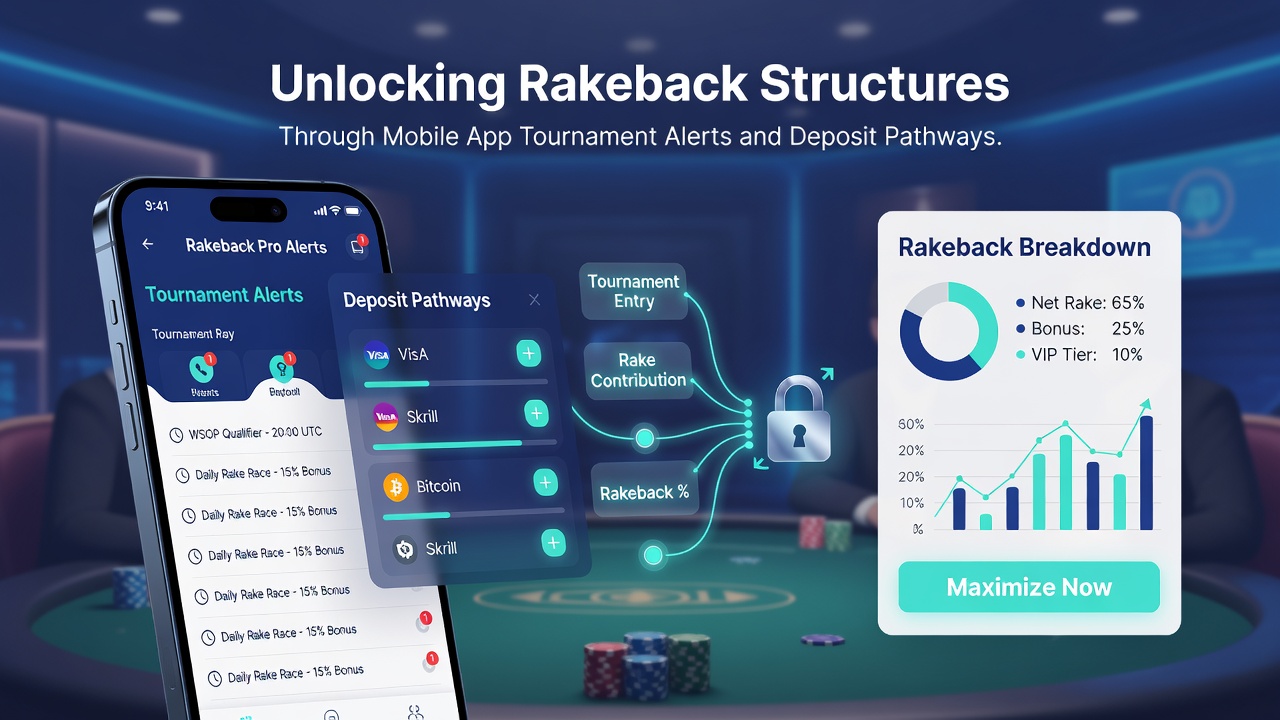
Deposit pathways operate through verified payment processors that record transaction amounts and frequencies, and these records feed into algorithms that calculate rakeback eligibility. Mobile apps display current rakeback percentages alongside deposit options, allowing players to see how much of their fee contribution will return after a set period. Figures from regulatory filings reveal that operators adjust these percentages quarterly based on overall player deposits and tournament participation levels across regions.
Players who route deposits through specific methods listed in the app sometimes unlock additional multipliers on their rakeback, and these methods include e-wallets or bank transfers that carry lower processing fees for the operator. The pathways also track cumulative deposits over monthly cycles, and reaching certain thresholds automatically shifts the player into a higher rakeback bracket without manual application. Those who monitor the in-app history can review their deposit patterns against rakeback statements to confirm accuracy of the calculations.
Integration Patterns Across Major Operators
Leading poker applications synchronize their alert systems with backend databases that store player histories, and this synchronization ensures that only eligible users receive notifications for rakeback-enhanced tournaments. The alerts often include direct links to deposit pages pre-filled with amounts that match the event requirements, and completion of the deposit activates the associated rakeback terms immediately. Industry analyses show that operators using these integrated flows report steady increases in both deposit volumes and tournament entries during promotional periods.
Regional variations exist in how deposit pathways connect to rakeback, and platforms serving North American markets emphasize instant deposits via credit cards while those in other areas prioritize local banking options. A report from the Australian Gambling Research Centre highlights that mobile integration has increased the proportion of players claiming rakeback through automated pathways rather than manual requests. Similar patterns appear in data compiled by the Nevada Gaming Control Board, where licensed operators document deposit-triggered rakeback adjustments in their compliance reports.
Player Tracking and Reward Accumulation
Mobile apps maintain detailed logs of tournament participation that link directly to rakeback ledgers, and players can access these logs through account dashboards at any time. The tracking includes metrics such as total rake generated and corresponding returns, and alerts notify users when they approach the next qualification level. This continuous feedback loop encourages repeated deposits through the app when new tournaments appear on the schedule.
External links to player forums and regulatory summaries provide additional context on how different operators calculate these returns, and cross-referencing helps confirm that mobile pathways deliver the advertised rates. One documented case involved a series of alerts during a summer festival that routed deposits into events offering 25 percent rakeback, and participants who followed the full alert-to-deposit sequence accumulated points at the higher rate throughout the period.
Conclusion
Mobile applications have established direct connections between tournament alerts and deposit functions that support structured rakeback programs, and these connections rely on real-time notifications combined with secure payment routes. Operators continue to refine the systems using participation data, and players benefit from streamlined access to qualifying events. Regulatory bodies across multiple jurisdictions maintain oversight of these processes, ensuring that advertised rakeback terms match actual returns processed through the apps. As schedules evolve into 2026 and beyond, the same alert and deposit mechanisms are expected to handle larger volumes of tournament activity while preserving the linkage to rakeback accumulation.