Synchronizing Mobile Functionalities with Regional Deposits Boosts Rakeback in Poker Tournaments
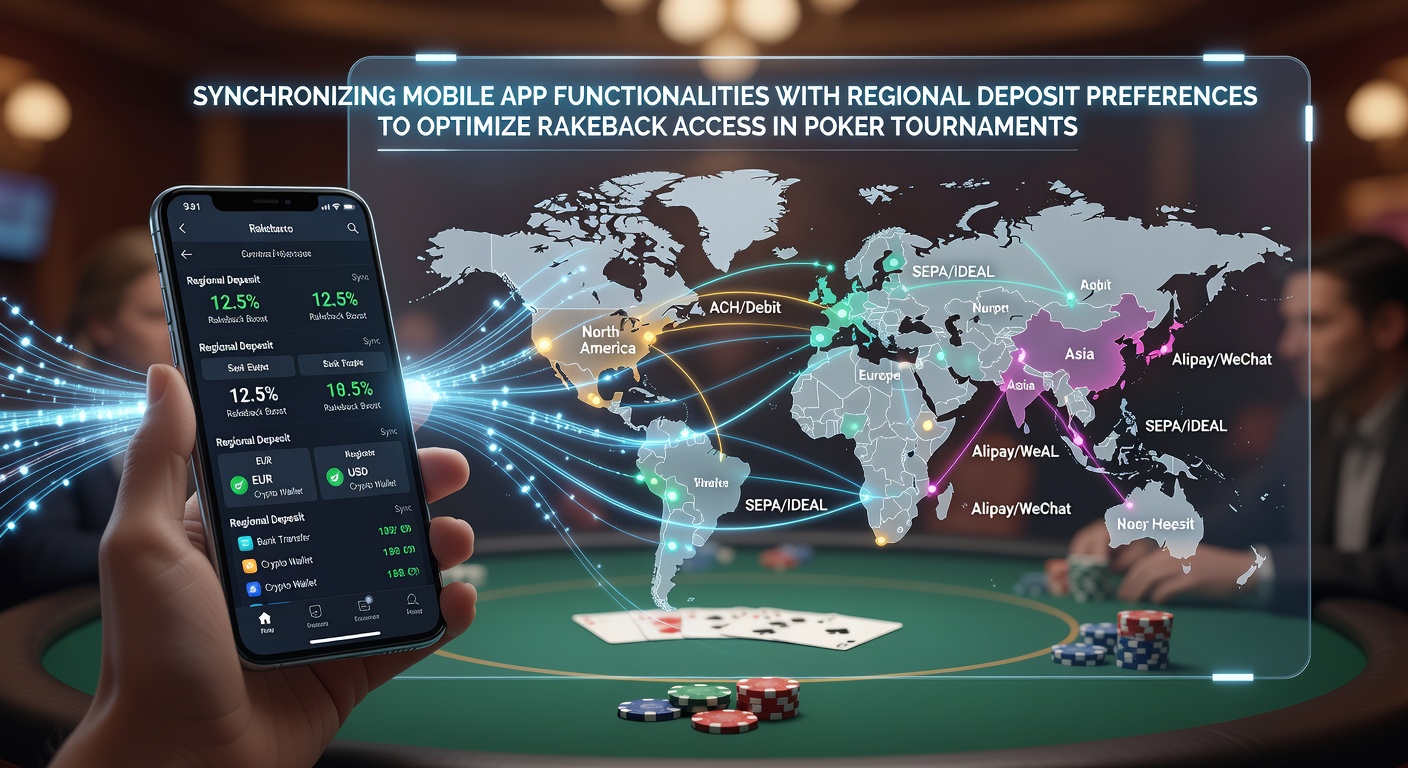
Online poker platforms have expanded their mobile applications to align deposit systems with the banking methods favored in specific geographic areas, and this synchronization directly supports player access to rakeback programs during tournament play. Research from industry reports indicates that deposit method availability varies widely, with bank transfers dominating in parts of Asia while digital wallets see higher usage across European markets, and these differences shape how apps facilitate entry into events that offer rakeback rewards.
Regional Variations in Payment Methods
Data collected by regulatory bodies shows that players in North America often rely on credit card processing and prepaid options, whereas those in Australia favor instant bank transfers through local financial institutions. The European Commission has documented similar patterns in its assessments of digital payment trends, noting that integration of region-specific tools reduces transaction failures and speeds up account funding. When mobile apps incorporate these preferences, participants complete deposits more reliably before tournament registration deadlines, which preserves eligibility for rakeback calculations based on rake generated during play.
Observers note that synchronization extends beyond basic compatibility. Developers add features such as currency conversion calculators and localized verification prompts that match the documentation standards of each jurisdiction, and these adjustments minimize delays that could otherwise prevent players from locking in rakeback percentages tied to volume commitments.
Technical Adjustments in App Design
App updates in recent years have introduced modular payment gateways that activate different processors depending on detected user location. Figures from platform analytics reveal that such modules cut failed transaction rates by measurable margins in regions where preferred methods receive priority support. During June 2026 tournament series, several operators deployed real-time switches between funding channels, allowing participants to select options like regional e-wallets or direct bank links without leaving the application interface.
These changes connect directly to rakeback optimization because rakeback formulas typically require consistent play funded through approved channels. When deposit friction decreases, players maintain steady participation across multiple events, and accumulated rake feeds into higher-tier reward tiers offered by the platforms.
Effects on Tournament Participation and Rewards
Studies conducted by academic researchers at institutions focused on digital economies have examined how payment alignment influences user retention in competitive gaming environments. Their findings indicate that streamlined regional deposits correlate with increased entry numbers in rakeback-eligible tournaments, particularly when mobile interfaces present options that mirror everyday financial habits. One documented case involved operators adjusting app flows ahead of major circuits, resulting in higher completion rates for initial deposits that unlocked progressive rakeback structures.
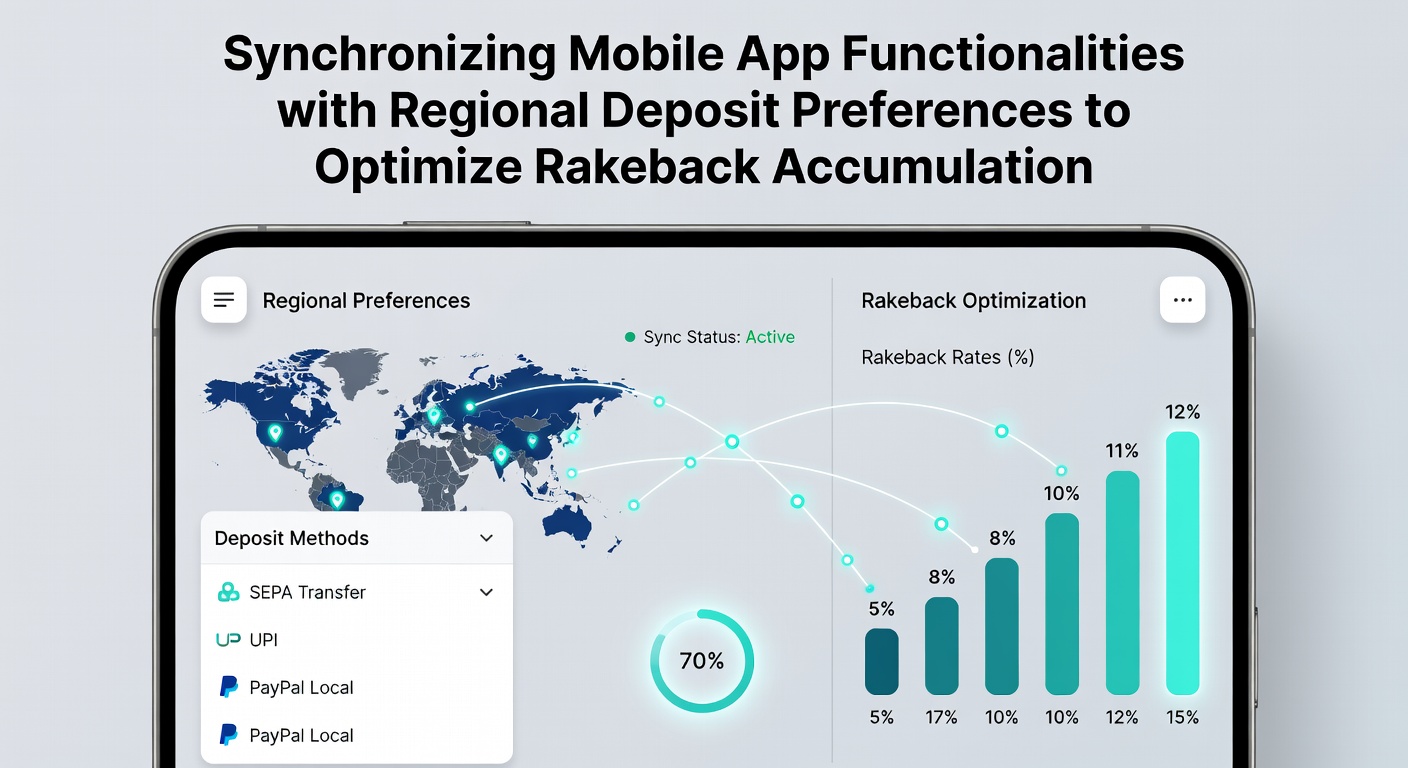
What's interesting is the way these adaptations also address security protocols required by different oversight agencies. Apps that embed verification steps specific to each deposit type satisfy compliance checks while keeping the user experience continuous, and this continuity supports uninterrupted tracking of rake contributions toward reward eligibility.
Examples from Global Platforms
Take one series of updates rolled out before the 2026 summer schedule, where platforms enabled seamless toggling between crypto wallets popular in certain Latin American markets and traditional card systems used elsewhere. Participants who utilized these synchronized tools reported fewer interruptions when moving funds into tournament buy-ins, which in turn allowed rakeback accrual to proceed without manual adjustments or support tickets. Similar patterns appear in reports from the Australian Communications and Media Authority, which tracks how localized payment features affect engagement metrics in licensed online environments.
Another instance involves partnerships with regional banks in Southeast Asia that provide instant confirmation APIs integrated into poker applications. These connections reduce processing windows from hours to seconds, and the resulting speed helps players meet late-registration cutoffs while preserving access to rakeback multipliers attached to multi-table participation.
Conclusion
Platform operators continue to refine mobile functionalities around deposit preferences because these refinements sustain player pathways into rakeback structures during tournaments. Evidence from regulatory filings and operational data demonstrates that alignment across regions supports consistent funding, accurate rake tracking, and broader participation in reward programs. As tournament calendars advance through periods like June 2026, further refinements in app architecture are expected to maintain this linkage between local payment habits and global reward access.