Software Decisions Influencing Rakeback Figures Amid Tournament Highs
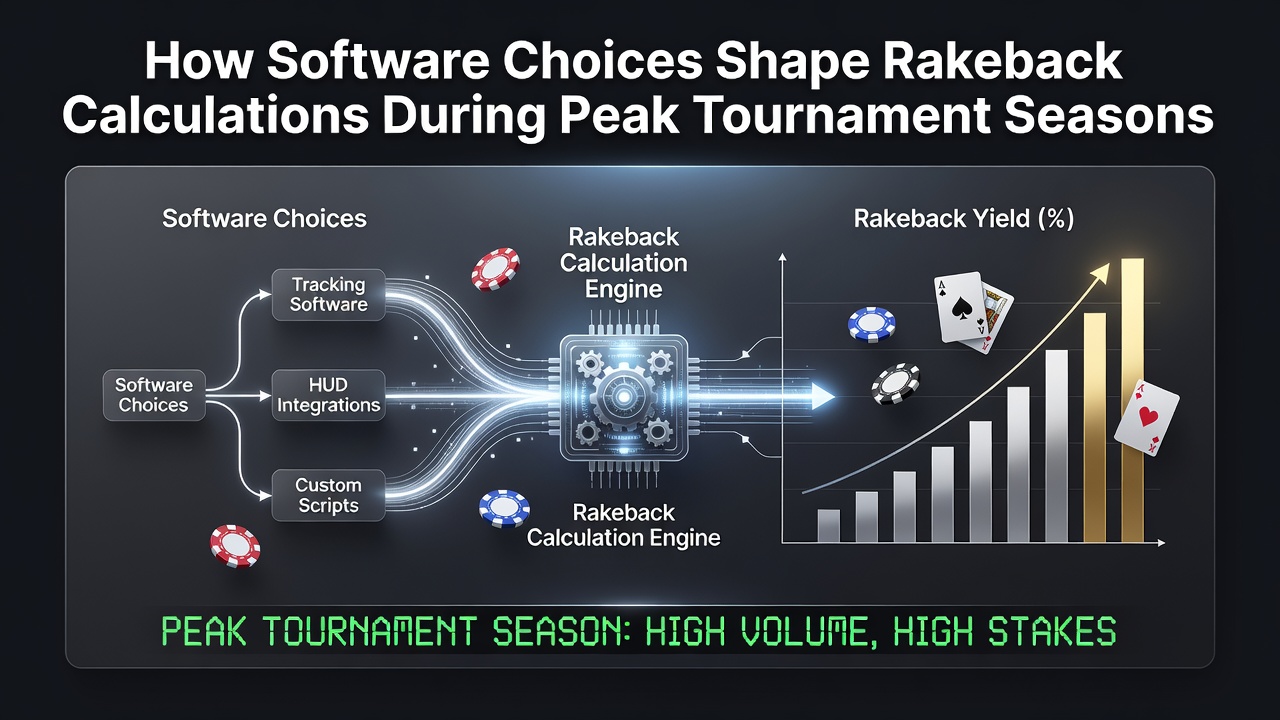
Platform architecture determines how rakeback accrues when thousands of players converge on online poker rooms during July 2026 peak tournament windows. Different client applications handle pot collection, fee extraction, and player reward distribution through distinct algorithms that produce measurable differences in final returns. Observers note that these variations become pronounced once daily tournament volume exceeds typical thresholds and multi-table sessions stretch across several hours.
Core Mechanics of Rake Collection in Tournament Environments
Tournament structures deduct fees at registration or from prize pools, yet the precise timing and method of deduction shift according to the software layer in use. Some systems calculate the fee as a fixed percentage of the buy-in before play begins, while others apply dynamic adjustments based on remaining stack sizes and re-entry activity. Data from major operators shows that these choices alter the baseline from which rakeback percentages apply, particularly when fields swell beyond ten thousand entrants in a single series.
Software also governs how rebuys and add-ons factor into total rake paid by each participant. Programs that log every transaction in real time allow for granular tracking of individual contributions, whereas batch-processing systems aggregate data at session end. Those who studied these systems find that the former approach often yields higher reported rake figures per player during extended peak periods.
Platform-Specific Algorithms and Their Impact on Reward Calculations
Leading poker clients employ proprietary formulas to convert collected fees into rakeback credits. One widely documented method multiplies total rake by a player loyalty tier multiplier before applying the base percentage, whereas another deducts administrative costs first. Research indicates that the order of these operations changes final payouts by several percentage points when cumulative rake climbs during July events.
Players who switch between platforms frequently discover that historical hand histories import differently into tracking utilities, which in turn affects projected rakeback estimates. A case where experts compared two major sites during overlapping festival schedules revealed discrepancies exceeding eight percent in calculated returns for identical playing volumes.
Integration With Third-Party Tracking Tools
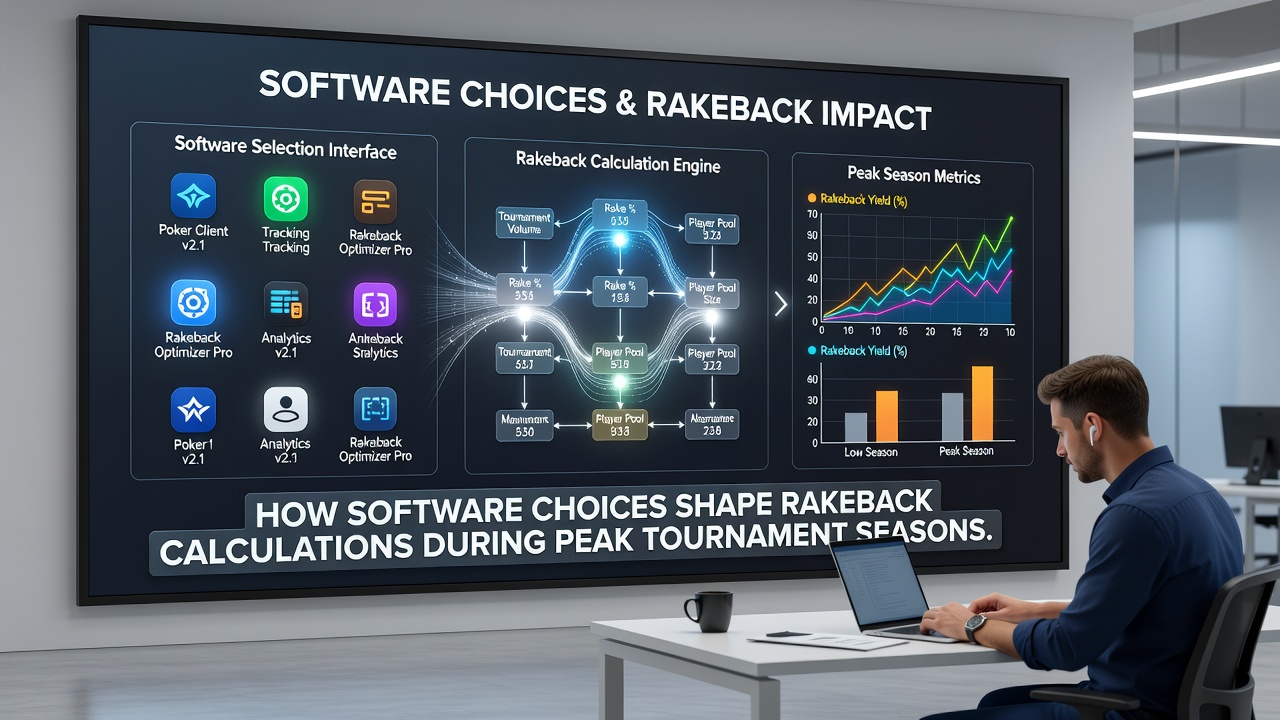
External software packages connect to poker clients through application programming interfaces that expose varying levels of detail. Some APIs deliver per-hand rake data instantly, enabling real-time dashboards, while others restrict exports to daily summaries. According to figures released by the Ontario Lottery and Gaming Corporation, operators providing richer data feeds see higher engagement with loyalty programs during high-traffic months.
Compatibility issues arise when newer client versions alter data structures without updating documentation. Those who've maintained long-term tracking records report occasional gaps that require manual reconciliation, especially around major series transitions. The reality is that incomplete imports skew projections until corrected, which matters most when margins tighten near the end of a festival schedule.
Regulatory Reporting Requirements and Data Standards
Gaming authorities in multiple jurisdictions mandate specific formats for fee and reward reporting. The Australian Institute of Family Studies has examined how standardized data fields influence transparency for players reviewing rakeback statements. Platforms that align their software outputs with these standards reduce discrepancies between internal calculations and external audits.
Peak seasons test these systems because transaction volumes spike and edge cases multiply. Observers note that robust logging prevents disputes over missing credits, whereas less resilient architectures require post-event adjustments that delay distributions.
Conclusion
Software architecture shapes every stage of rakeback calculation from initial fee capture through final credit allocation, and these effects intensify during concentrated tournament periods such as those occurring in July 2026. Platform differences in data handling, API access, and reporting alignment produce measurable variations in player returns. Those monitoring the industry continue to track how updates to client software and regulatory data standards modify these outcomes over successive peak seasons.