Regional Banking Preferences Shape Rewards and Mobile Tournament Access in Digital Card Rooms
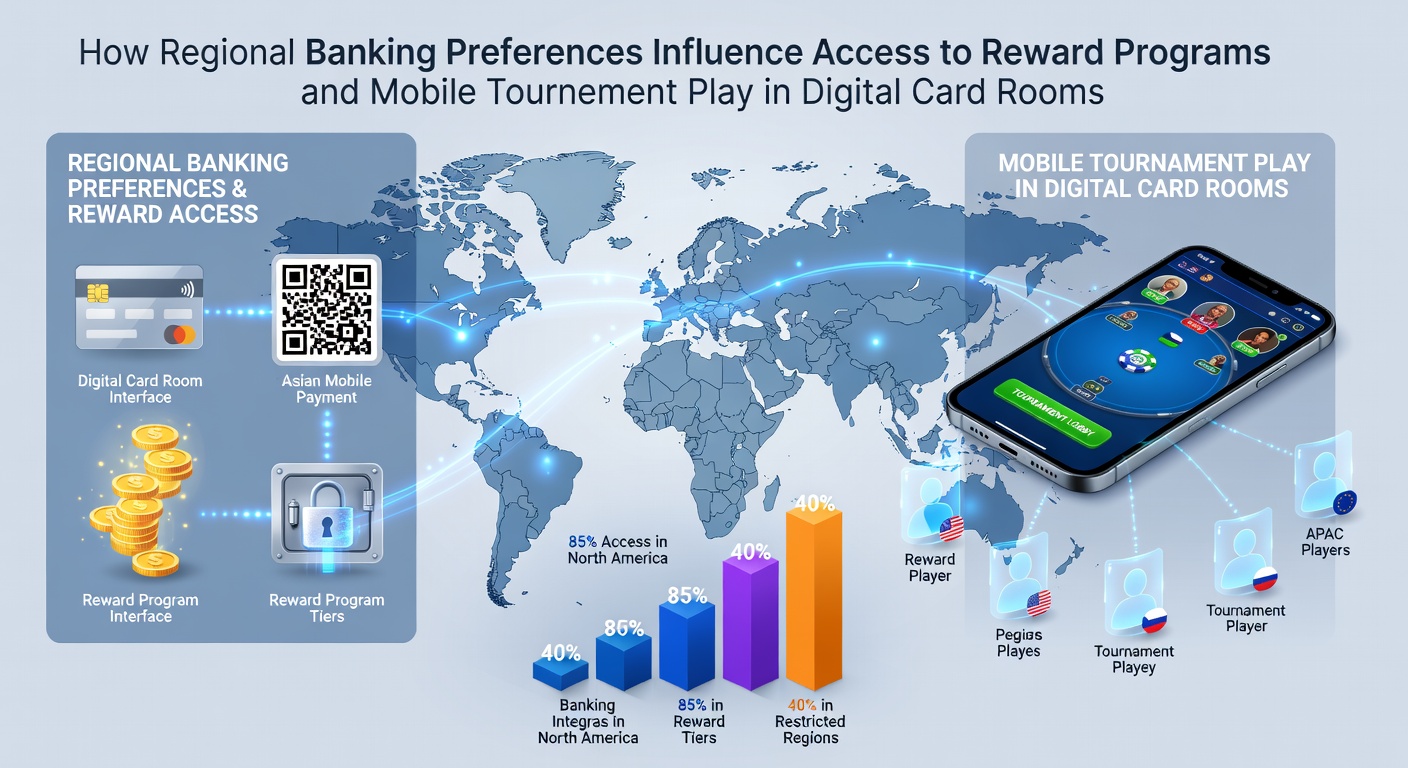 Banking preferences differ sharply by region and these variations directly determine which reward programs players can unlock while also setting limits on mobile tournament participation in digital card rooms. Payment methods that dominate in North America rarely match those favored in Asia or parts of Europe, adn operators adjust bonus structures and entry requirements accordingly to stay compliant and competitive. Data from industry tracking services shows that credit card and e-wallet adoption rates vary by as much as forty percent between major markets, forcing platforms to tailor deposit bonuses and rakeback offers to the tools most users already have on hand. Players in regions with strong bank transfer traditions often receive higher deposit-match percentages because those methods carry lower processing fees, whereas markets reliant on prepaid cards see more frequent free-entry promotions instead.
How Payment Infrastructure Affects Reward Eligibility
Regional banking habits create clear tiers of access to loyalty rewards because operators must align bonus terms with local financial regulations and transaction costs. In markets where instant bank transfers prevail, reward programs frequently include tiered rakeback that scales with monthly volume and requires fewer verification steps than programs built around slower methods.
Observers note that users relying on cryptocurrency options in certain jurisdictions gain quicker access to cashback tiers, yet those same users sometimes face geographic restrictions on mobile tournament buy-ins when local rules limit crypto funding for prize pools. This creates a split where reward accumulation runs smoothly while tournament entry remains uneven.
Mobile Tournament Play and Funding Friction Points
Mobile tournament fields expand or contract based on how easily players can fund accounts from their preferred banking channels, and platforms report measurable differences in participation rates when deposit options match regional norms. Tournaments scheduled for May 2026 already list varied buy-in structures that reflect these patterns, with some events offering regional qualifiers that accept only locally dominant payment rails to keep entry smooth.
Research indicates that apps supporting instant bank verification see higher repeat entry numbers because players avoid delays between deposit and seat reservation. In contrast, regions where card-based funding dominates often experience brief drop-offs in mid-stakes mobile events until processing clears, prompting operators to introduce temporary instant-credit features tied to verified accounts.
Regulatory and Infrastructure Differences Across Markets
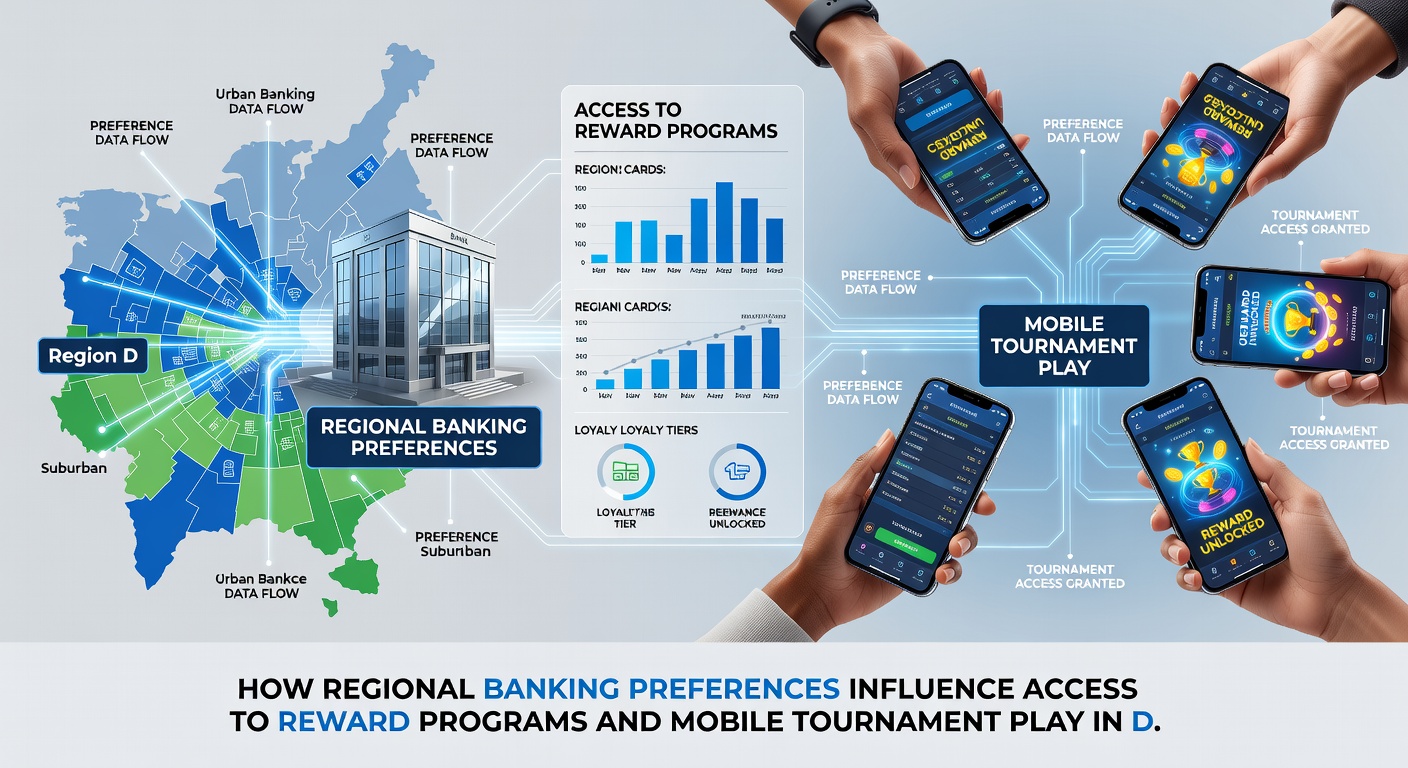
Government agencies in Australia publish annual summaries on digital payment adoption that reveal how banking preferences steer both reward design and tournament scheduling. Platforms operating across borders reference these reports when deciding which loyalty mechanics to promote in each territory, resulting in reward catalogs that look quite different depending on the user's location.
Academic studies from European research institutions further highlight that slower settlement times in some national banking systems correlate with reduced mobile tournament volume during peak evening hours. Operators respond by shifting certain satellite events to times that accommodate verification windows common in those areas, keeping fields populated without altering core prize structures.
Case Examples from Diverse Regions
One study revealed that North American card rooms leaning on established bank networks saw reward redemption rates climb after introducing same-day transfer confirmations, while Asian markets using mobile wallets achieved similar gains through instant bonus codes delivered at deposit. These adaptations illustrate how local infrastructure dictates the practical reach of both reward programs and tournament calendars.
Canadian regulatory updates from 2025 onward encouraged broader use of Interac-based funding, and digital card rooms quickly adjusted their mobile apps to highlight those options during tournament registration. The change produced steadier participation curves in nightly events without requiring operators to rewrite bonus formulas.
Conclusion
Regional banking preferences continue to mold the boundaries of reward access and mobile tournament play because payment infrastructure, regulatory expectations, and user habits rarely align globally. Operators that map these patterns accurately maintain consistent engagement across markets while those that overlook them encounter uneven fields and underutilized loyalty tiers. Data from multiple government and academic sources confirms that alignment between local banking norms and platform features remains the decisive factor in both reward uptake and tournament turnout throughout 2026 and beyond.