Mapping Bonus Structures to Software Choices in Worldwide Poker Tournaments
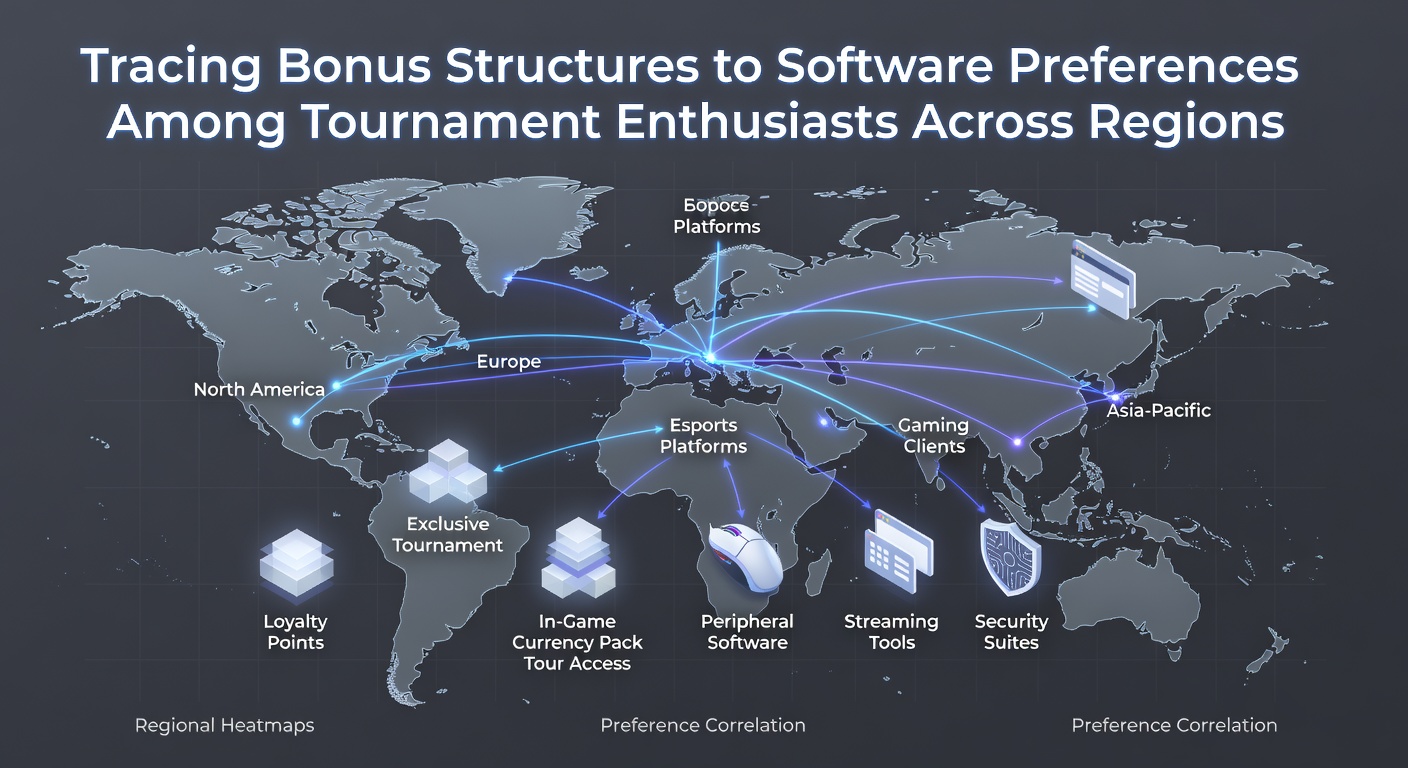
Bonus structures in online poker tournaments connect directly to the software platforms that enthusiasts select, and regional patterns emerge from deposit incentives, rakeback programs, and free-entry rewards that shape those decisions. Observers note that players in different areas gravitate toward specific applications because those tools deliver the promotions most aligned with local banking habits and tournament calendars.
North American Patterns in Deposit Incentives and App Selection
Data from regulatory filings shows that deposit match offers and reload bonuses in the United States and Canada steer participants toward platforms with seamless instant funding features, particularly during peak spring tournament seasons. In May 2026, several major circuits reported increased sign-ups on mobile-first software that integrated regional banking preferences such as e-wallets and prepaid cards. Researchers at the Gambling Research Exchange Ontario documented how these incentives correlate with higher retention rates on applications that support quick withdrawals, because players value the ability to reinvest winnings without delays.
Software developers responded by embedding bonus trackers directly into tournament lobbies, allowing users to monitor progress toward rakeback tiers while seated at tables. This integration reduced friction for enthusiasts who juggle multiple sites, and figures from industry reports indicate that North American fields grew notably on platforms offering combined deposit bonuses with satellite entries into live events.
European and Asia-Pacific Variations in Rakeback and Mobile Access
European tournament participants often prioritize software that layers loyalty points onto existing rakeback structures, while Asia-Pacific players show stronger preference for applications that bundle free-entry bonuses with regional payment gateways. A study released by Gambling Research Australia highlighted how currency conversion tools and localized reward schedules influence choices in markets where time-zone alignment affects participation in late-night events. Those who've examined the data find that platforms offering tiered bonuses tied to volume commitments attract steady fields from Australia and surrounding regions, especially when the software supports both desktop and mobile tournament formats without performance drops.
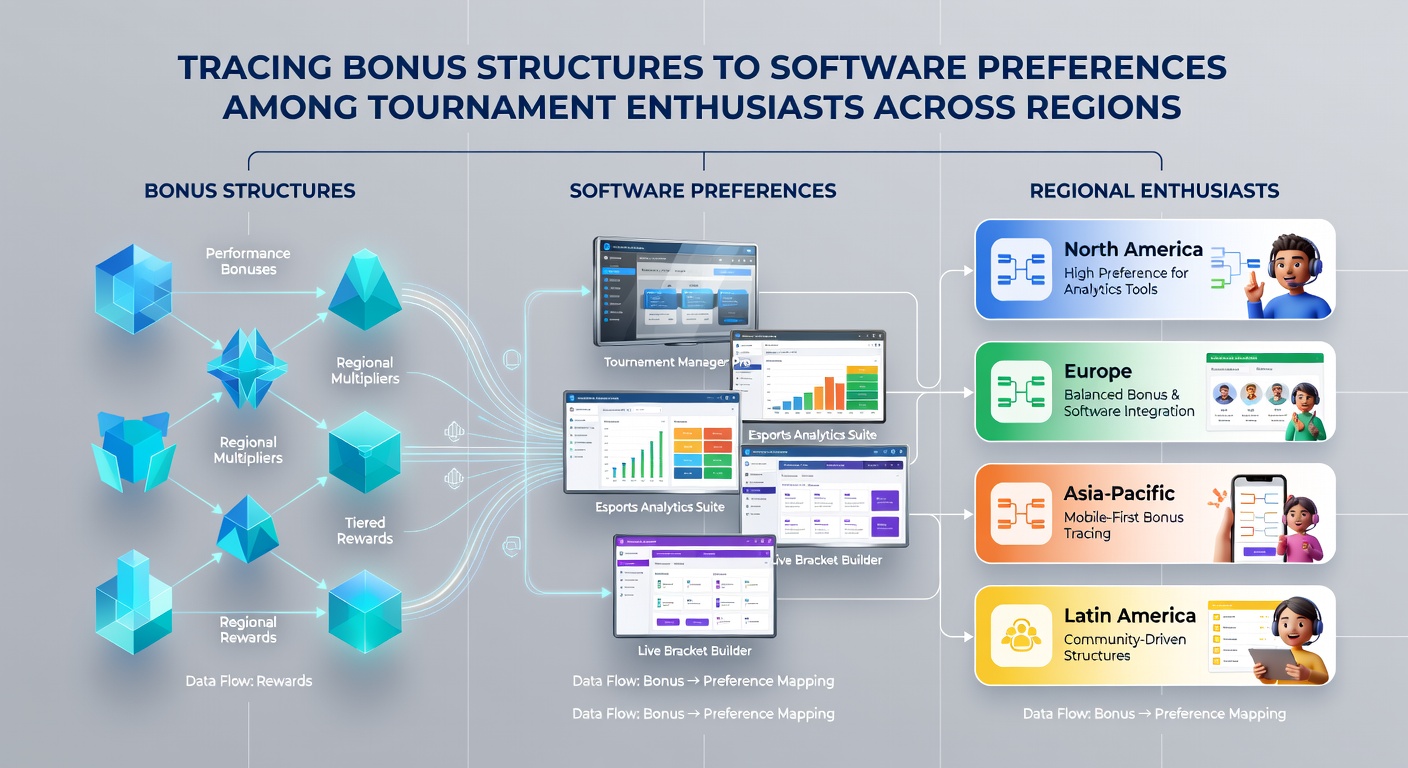
What's notable is the way software updates in early 2026 aligned bonus calendars with major festival schedules, creating direct pathways from promotional credits to entry fees. European regulatory summaries from the Malta Gaming Authority further illustrate that platforms emphasizing transparent bonus terms experienced steadier growth in multi-table tournament traffic compared with those relying solely on sign-up rewards.
Software Features That Translate Bonuses Into Tournament Participation
Platform developers incorporated real-time bonus dashboards and automated qualifying systems that convert promotional funds into tournament tickets, and this functionality appears most frequently on applications favored in high-volume markets. Observers tracking registration spikes during May 2026 noted that enthusiasts in Latin American and African regions selected software supporting local currency bonuses and low-stakes satellite structures, because those features lowered barriers to entry for larger international events. Industry associations such as the European Gaming adn Betting Association compiled statistics showing that mobile applications with embedded payment flexibility retained users longer when bonuses reset on a monthly cycle rather than weekly.
Case examples from circuit reports demonstrate that players who switch between platforms often cite the combination of rakeback percentages and software stability as the deciding factor, particularly when one application offers superior multi-tabling tools alongside the same promotional value found elsewhere. Those patterns hold across borders because the underlying mechanics remain consistent even as regional banking options shift.
Conclusion
Regional differences in bonus design continue to guide software selection among tournament enthusiasts, and the connections become clearest when payment infrastructure, mobile functionality, and promotional timing align within a single application. Figures released through academic and regulatory channels confirm that these alignments produce measurable shifts in participation rates, and developers who monitor those trends maintain an edge in attracting and retaining fields across continents. The patterns observed through 2026 underscore how structural incentives embedded in software shape the global tournament landscape without requiring subjective interpretation.