Live Dealer Features Reshaping Mobile Poker App Release Schedules
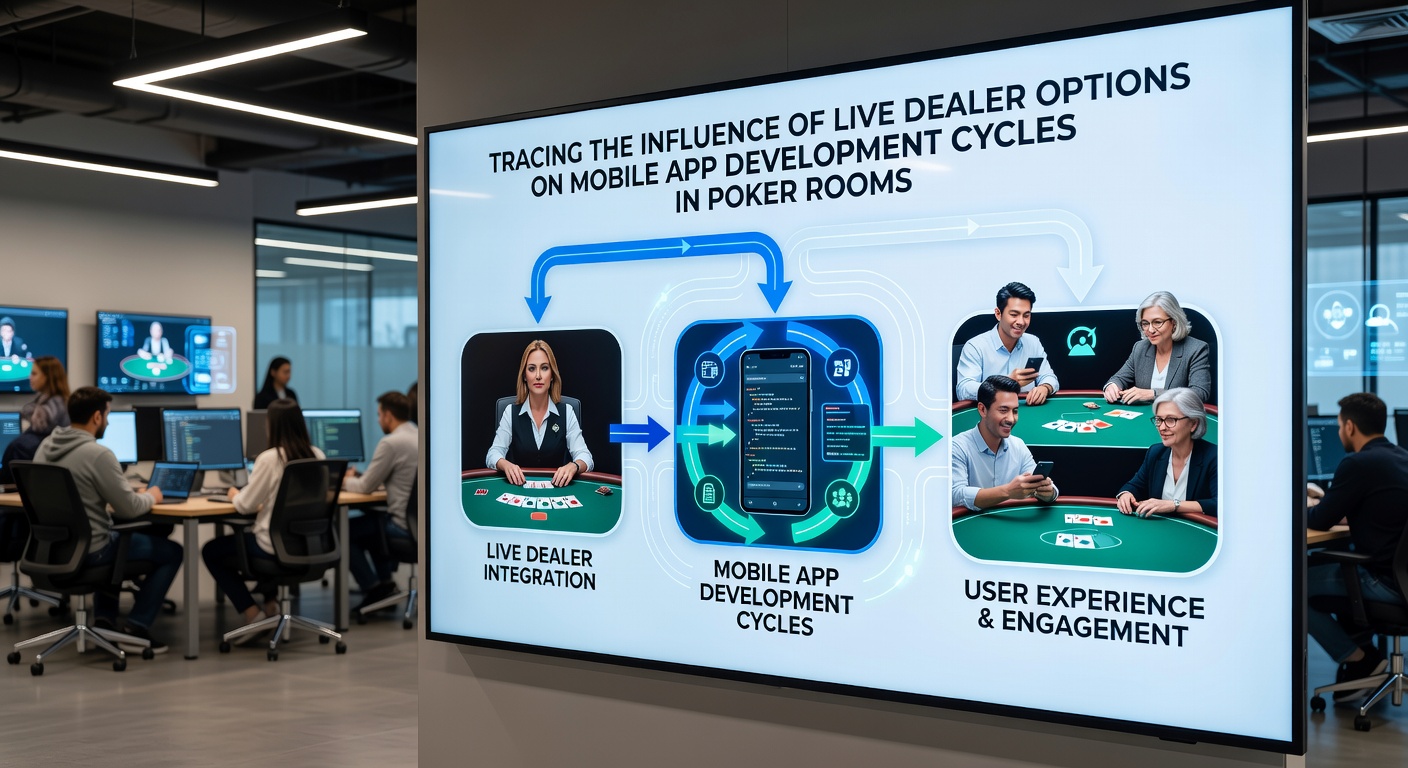
Live dealer options entered mobile poker rooms through streaming technology that required stable video feeds, real-time synchronization, and secure player authentication layers, and these additions altered how development teams planned their update cycles because each new feature demanded extended testing periods for latency issues and device compatibility.
Early Integration Patterns in App Development
Development teams first incorporated live dealer streams around 2018 when several major platforms began testing video overlays on existing RNG tables, yet the shift forced coders to rebuild backend infrastructure for handling simultaneous video and game data streams while maintaining low data usage on mobile networks, and this change extended typical release timelines from monthly patches to quarterly overhauls in many cases.
According to reports from the New Jersey Division of Gaming Enforcement, live dealer tables accounted for growing portions of mobile traffic by 2023, which pushed studios to allocate more resources toward video compression algorithms and cross-platform rendering engines that could support both iOS and Android without separate code branches.
Impact on Testing and Quality Assurance Phases
Quality assurance processes expanded significantly once live dealer elements entered the picture because testers had to simulate variable network conditions, device orientations, and camera feed interruptions that rarely affected standard digital tables, and these added variables often stretched the QA window by several weeks per cycle. Observers note that teams began scheduling dedicated live environment rehearsals months in advance rather than relying on automated scripts alone.
Research from the University of Nevada, Las Vegas gaming innovation lab indicates that apps supporting live dealers released updates 30 percent less frequently than their RNG-only counterparts during the 2022-2024 period, largely because certification requirements from multiple jurisdictions demanded separate compliance reviews for each streaming component.
Regional Regulatory Influences on Development Timing
Canadian provincial regulators, including those in Ontario, introduced specific technical standards for live video integrity that required additional encryption layers and audit trails, and these rules compelled development teams to insert buffer periods into their roadmaps for external reviews before any public rollout. In contrast, Australian state frameworks emphasized responsible gambling tools within live streams, which meant extra UI elements had to be coded and validated in tandem with core gameplay features.
Data from the European Gaming and Betting Association shows that operators serving multiple markets synchronized their app cycles around the strictest regional deadline, resulting in more predictable but slower release cadences across the board.
Resource Allocation and Team Structure Adjustments
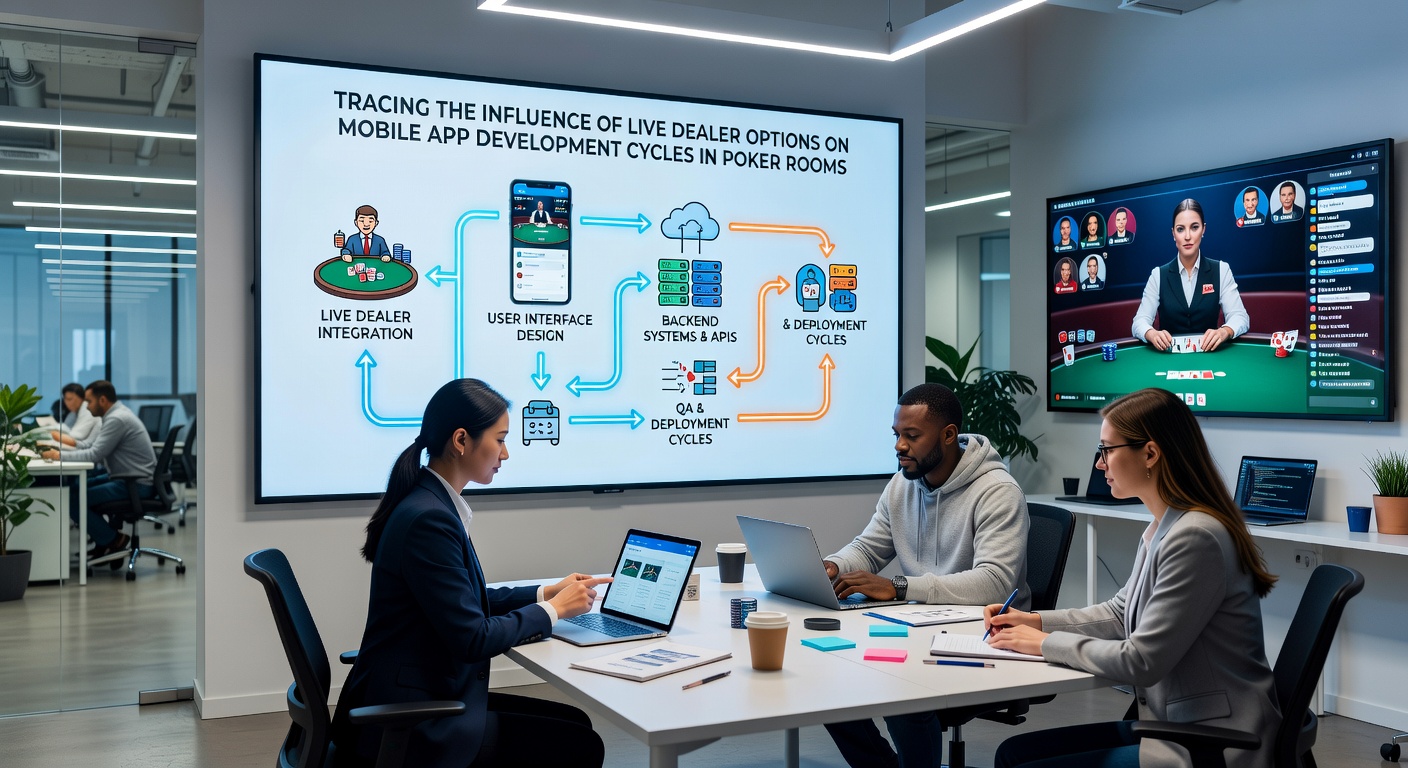
Poker rooms reorganized their internal teams to include dedicated streaming specialists alongside traditional game developers, and this structural shift created parallel workstreams where video pipeline improvements ran alongside gameplay refinements instead of sequential handoffs. The result appears in longer pre-release stabilization phases that now routinely span eight to twelve weeks.
Those who have tracked industry hiring patterns note increased demand for full-stack engineers familiar with WebRTC protocols, which in turn influenced budget planning and extended the overall development calendar for major app refreshes scheduled around major tournament seasons.
Current Trends Entering Mid-2026
As of May 2026 several platforms have begun experimenting with hybrid models that blend live dealer feeds with augmented reality overlays, and these experiments have prompted fresh rounds of device-specific optimization that again lengthen testing cycles. Early indicators suggest development teams are adopting modular code architectures to allow faster swaps between live and digital modes without full rebuilds.
Figures from industry tracking services reveal that apps with mature live dealer support now average three major updates annually, down from five in pre-streaming years, yet each update carries broader feature sets and more rigorous security validations.
Conclusion
Live dealer options continue to exert measurable pressure on mobile poker app development cycles through expanded technical requirements, regulatory checkpoints, and specialized staffing needs, and these influences have produced steadier but less frequent release patterns across leading platforms. The patterns established between 2018 and 2026 point toward further integration of real-time video tools that will likely maintain similar effects on future timelines.