Exploring Connections Between Deposit Methods and Rakeback Systems in Poker on Mobile and Desktop Platforms
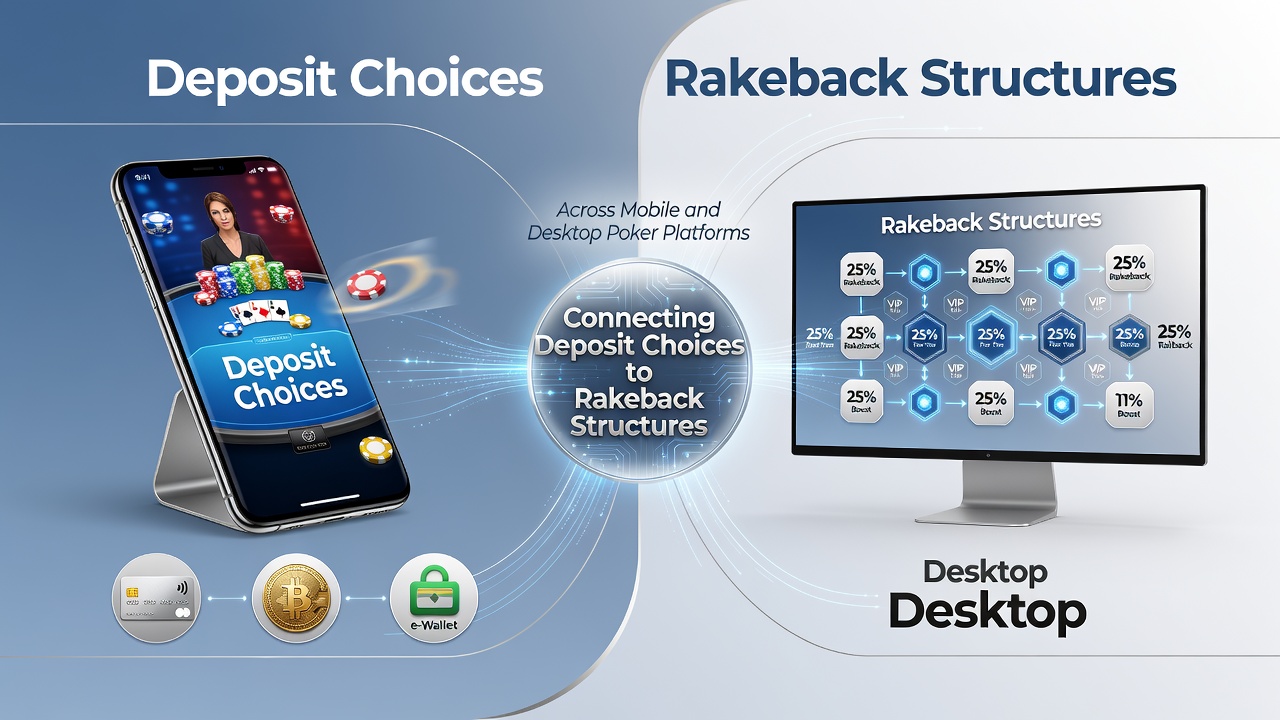
Deposit selections shape how rakeback programs operate across poker platforms, since operators tie payment methods to specific reward tiers and crediting schedules. Mobile applications and desktop clients often process these connections differently because of technical constraints and user behavior patterns that emerged by July 2026. Research from industry analysts shows that players who choose certain deposit types receive faster rakeback accrual on desktop sites while mobile users encounter more restrictions tied to transaction size and verification steps.
Deposit Methods and Rakeback Eligibility Rules
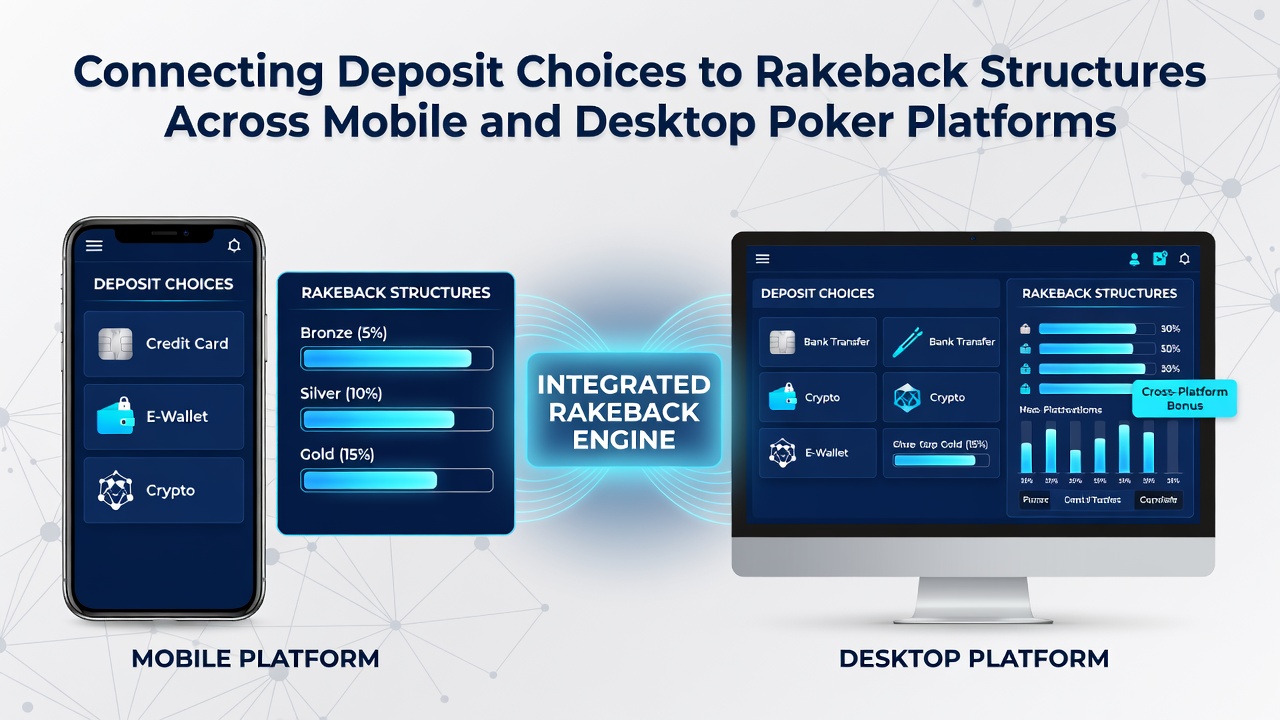
Payment options determine whether a player qualifies for standard or premium rakeback percentages, and this linkage appears in the terms of most major poker networks. Credit card deposits frequently unlock baseline rakeback rates, whereas cryptocurrency transfers sometimes grant higher percentages because they reduce processing fees for the operator. Observers note that e-wallet deposits fall in between these categories and carry their own conditions around minimum transaction amounts before rakeback begins to accumulate.
Platform operators adjust these rules periodically, and data collected through 2026 indicates that mobile platforms enforce stricter verification for high-value deposits to maintain compliance with regional gaming standards. Desktop interfaces, by contrast, allow quicker linkage between deposit records and ongoing rakeback tracking because users can access detailed account ledgers without app-specific limitations.
Mobile Platform Specifics in Deposit and Rakeback Integration
Mobile poker applications integrate deposit choices directly into the user interface, which affects how quickly rakeback credits appear in player accounts. In-app purchases through digital storefronts often bypass traditional banking rails yet trigger separate rakeback calculations that exclude certain promotional multipliers. Players who rely on direct carrier billing or stored payment profiles experience automated crediting, although these methods sometimes cap the total rakeback percentage available during a single session.
Statistics released by gaming research groups reveal that mobile users complete more frequent but smaller deposits compared with desktop sessions, and this pattern influences the structure of rakeback payouts. Operators respond by offering mobile-exclusive rakeback boosts that activate only after a set number of qualifying deposits within a calendar month, creating an additional layer of connection between payment behavior and reward levels.
Desktop Platform Specifics in Deposit and Rakeback Integration
Desktop clients provide broader access to banking options and more transparent tracking of rakeback accrual, since users can open multiple account windows simultaneously. Bank transfers and wire services appear more commonly on desktop platforms, and these methods typically link to higher-tier rakeback structures because they involve larger average transaction values. Operators maintain separate loyalty ledgers for desktop activity, which allows players to combine deposit history across several weeks without the session-time restrictions found in mobile apps.
Those who have studied platform data observe that desktop rakeback structures reward consistent deposit patterns with loyalty point multipliers that carry over between devices once verification completes. This cross-platform continuity becomes relevant when players switch from mobile to desktop mid-month and need their deposit records to reflect accurately in the shared rakeback pool.
Cross-Platform Variations and Regulatory Influences
Regulatory frameworks in different jurisdictions shape how deposit choices connect to rakeback on both mobile and desktop platforms. Canadian provincial authorities, for instance, require clear disclosure of how payment methods affect reward calculations, which has led operators to standardize rakeback tables that apply equally to mobile and desktop users. Similar transparency rules appear in Australian state guidelines, where operators must list eligible deposit types alongside corresponding rakeback percentages in public documentation.
Academic studies from university gaming research centers have examined these regional differences and found that mobile platforms adjust rakeback structures more frequently in response to new payment regulations. Desktop environments tend to retain longer-term structures because larger user bases and established banking integrations create stability in the reward formulas.
Practical Examples from Major Networks
One prominent poker network introduced a tiered rakeback system in early 2026 that granted additional percentages to players whose deposits originated from approved cryptocurrency wallets on desktop clients. Mobile users of the same network received the same base rate but needed to meet higher volume thresholds before the bonus applied. Another network linked e-wallet deposits to instant rakeback crediting on mobile while desktop users waited twenty-four hours for the same credit to process, illustrating how operational choices create distinct user experiences.
Figures from industry reports indicate that these variations influence player retention rates, with desktop users showing longer session times when rakeback structures align closely with their preferred deposit methods. Mobile retention, meanwhile, correlates more strongly with the speed of deposit-to-rakeback conversion rather than the absolute percentage offered.
Conclusion
Deposit choices remain tightly connected to rakeback structures across poker platforms because operators design reward systems around transaction costs, verification requirements, and regional rules. Mobile and desktop environments handle these connections through different technical pathways, yet both continue to evolve as payment technologies and regulatory expectations shift. Players benefit from reviewing the specific terms attached to each deposit method on their chosen platform to understand how those decisions affect long-term rakeback returns.