Deposit Method Variations by Region Highlight Expanding Reach of Online Poker Platforms
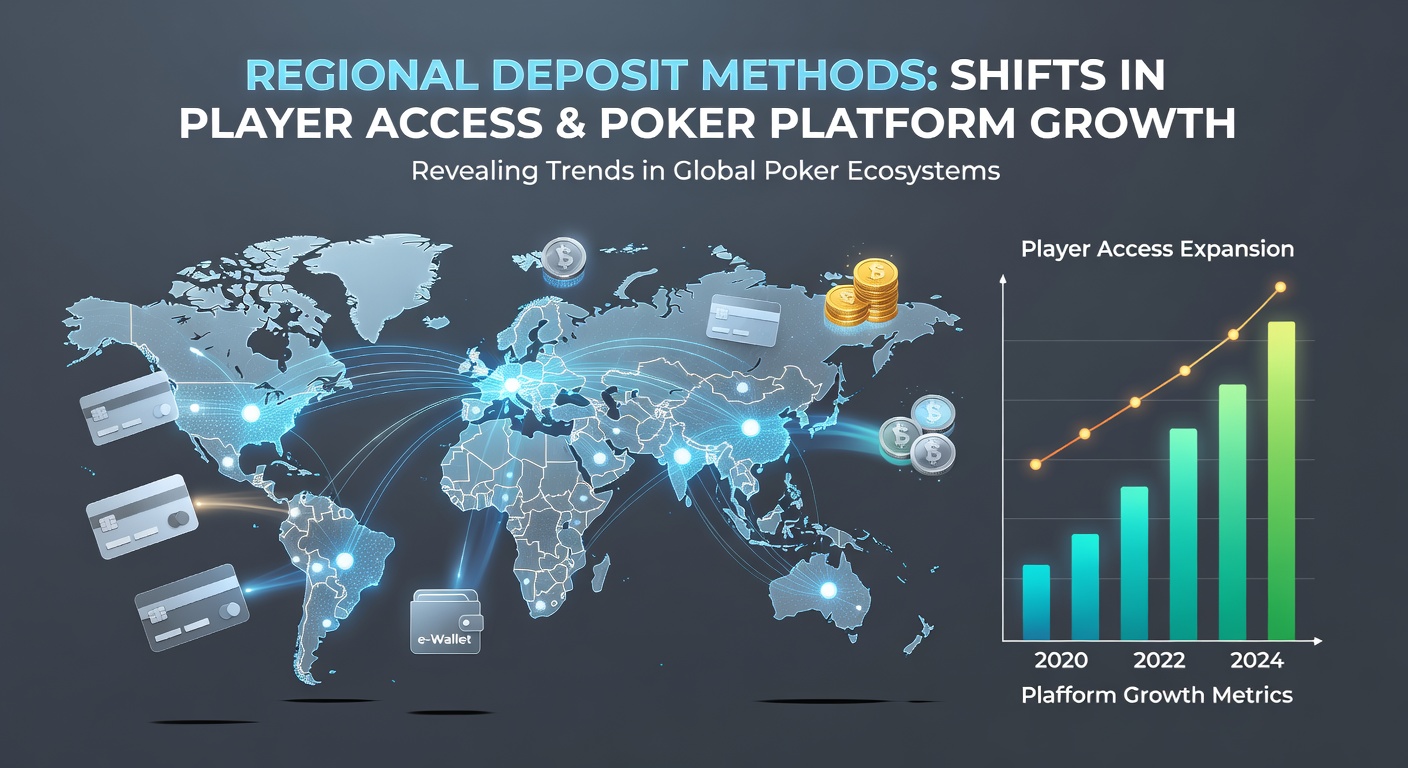
Regional differences in deposit options continue to shape how players connect with online poker platforms and these variations expose broader patterns in market expansion as of May 2026. Observers note that local banking systems and regulatory frameworks determine which payment tools become available and this directly influences participation rates across continents. Researchers tracking transaction data find that platforms incorporating region-specific methods such as instant bank transfers in Latin America or mobile wallet integrations in parts of Asia attract larger user bases compared to those relying solely on traditional cards.
North American Payment Landscapes and Market Entry
Banking regulations in the United States and Canada create distinct deposit environments that affect platform growth strategies. In states where online poker operates legally operators partner with processors approved by bodies like the Nevada Gaming Control Board and this setup allows seamless funding through debit cards and ACH transfers. Data indicates that such localized partnerships have supported steady increases in active accounts particularly in markets that legalized poker within the past five years. Meanwhile Canadian players often use Interac e-Transfers which reduce processing times and lower barriers for new users entering daily tournaments.
European Adaptations to Regulatory Shifts
Across the European Union deposit methods reflect ongoing efforts to balance player protection with market access. Many platforms now support SEPA bank transfers alongside e-wallets that comply with varying national rules and this combination helps maintain consistent player inflows. Figures reveal that countries with mature licensing systems report higher retention rates when multiple funding routes are offered and this pattern holds especially for mid-stakes cash games. Industry reports highlight how operators adjust their toolkits based on directives from different member states which in turn supports platform scaling without disrupting existing user habits.
Emerging Markets in Asia and Latin America
Asian regions demonstrate rapid adoption of local fintech solutions that connect directly to poker sites. In countries like India and the Philippines players frequently rely on UPI and GCash for deposits and these methods integrate with mobile apps to enable quick top-ups during peak playing hours. Evidence suggests that platforms offering these options see tournament fields expand by measurable margins compared to those limited to international cards. Similarly in Latin America the PIX system in Brazil has streamlined transactions allowing users to fund accounts instantly and this accessibility correlates with rising participation numbers tracked through 2026.
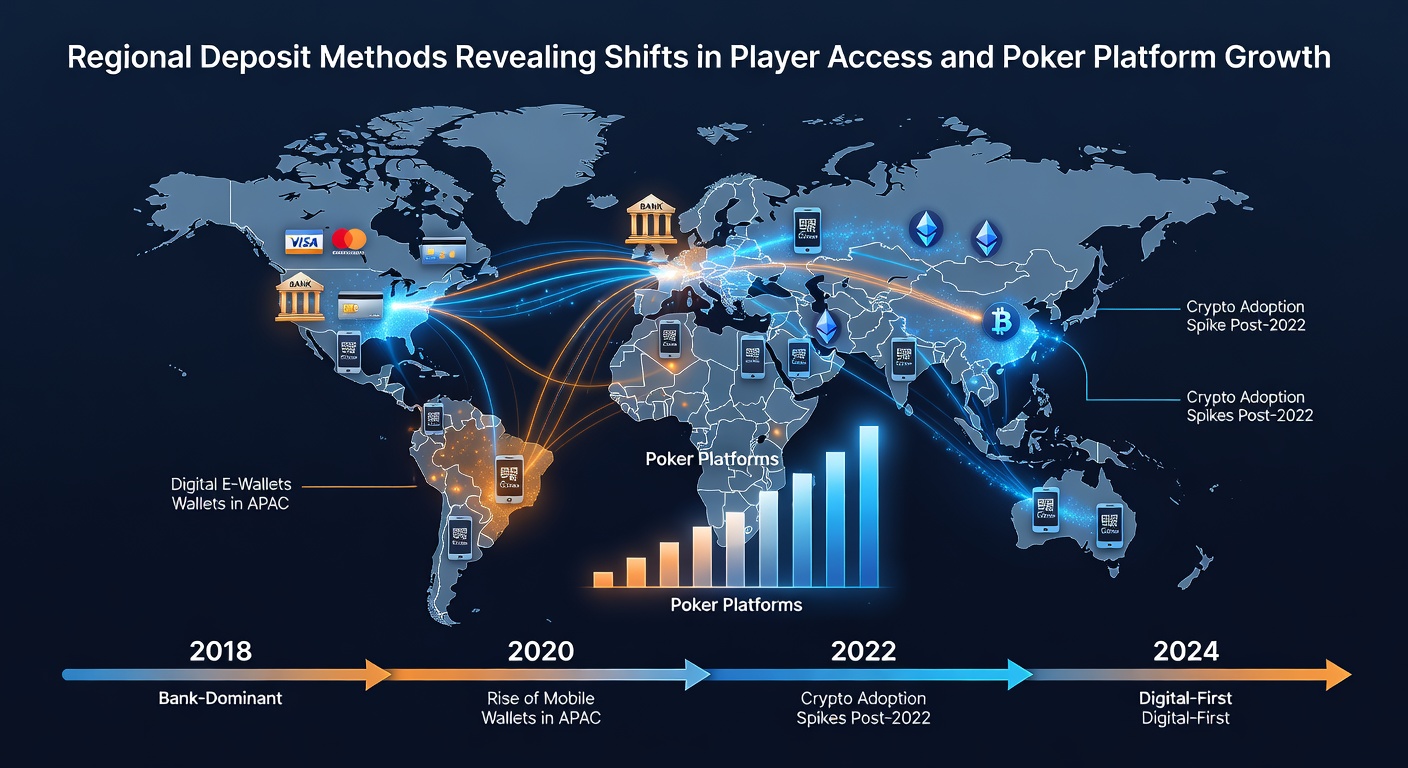
What's interesting here is how these payment adaptations reveal underlying player demographics and spending behaviors. Studies from academic institutions such as those analyzing gambling economics show that regions with diverse deposit choices experience broader age ranges among participants and this diversity contributes to sustained platform revenue. Meanwhile cryptocurrency options gain traction in areas where traditional banking faces restrictions and this trend appears in parts of Eastern Europe and Southeast Asia according to aggregated transaction analyses.
Platform Growth Metrics Tied to Deposit Accessibility
Operators report that expanding deposit compatibility drives measurable increases in new registrations and overall handle volume. Research from the European Gaming and Betting Association points to correlations between payment flexibility and longer session durations particularly in cash game formats. Platforms that monitor regional preferences and update their funding menus accordingly maintain competitive edges as evidenced by traffic data compiled through mid-2026. Those who studied these dynamics note that seamless access reduces drop-off rates during the initial deposit step which often determines whether a player becomes a regular participant.
But here's the thing: regulatory changes can quickly alter available methods and this forces platforms to pivot their strategies. In Australia for instance updates to financial service rules have prompted integration with new digital banking tools and this adjustment has supported continued growth in poker traffic despite earlier constraints. Observers tracking these developments emphasize that proactive adaptation to local systems prevents loss of market share to competitors who already support emerging payment rails.
Conclusion
Regional deposit methods serve as clear indicators of how player access evolves and how poker platforms respond with targeted growth initiatives. As of May 2026 data from multiple sources demonstrates that alignment with local financial infrastructures continues to expand user bases and stabilize engagement across diverse markets. Platforms that prioritize these regional nuances position themselves for ongoing development while those that overlook them encounter limitations in reaching new audiences.