Decoding How Deposit Pathways and Tournament Timetables Align with Software Features in Mobile Poker Environments
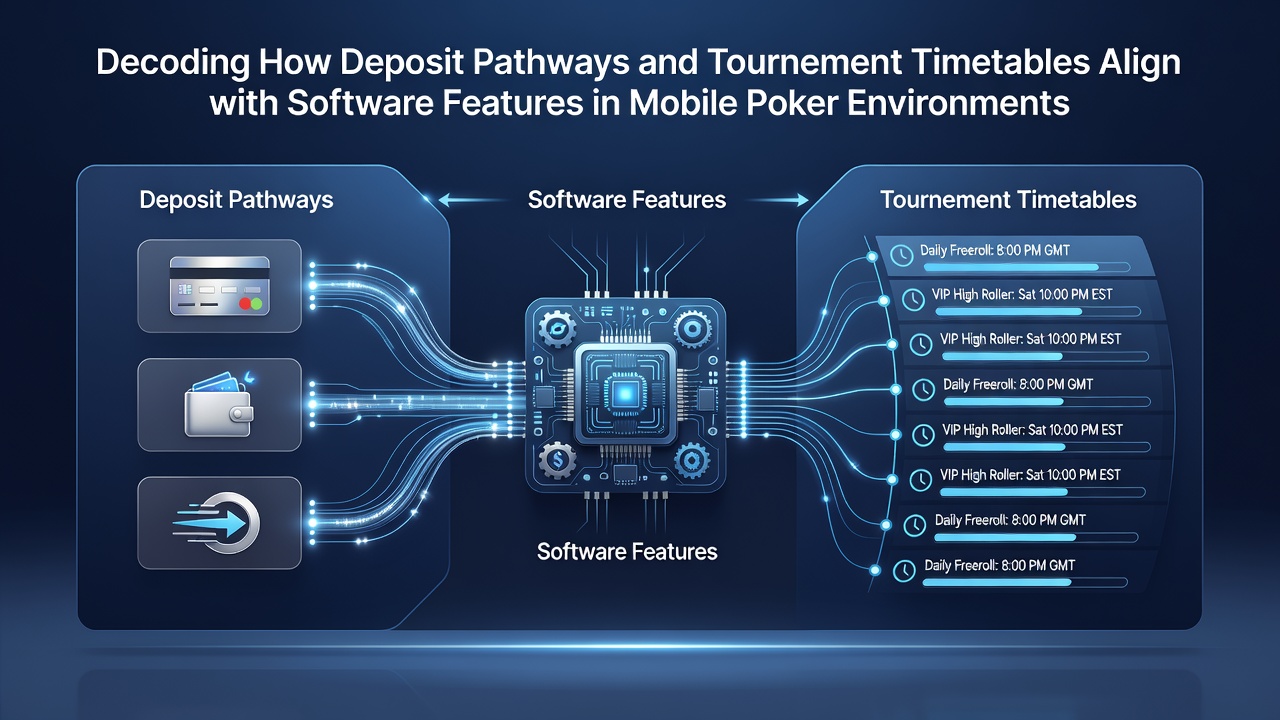
Deposit pathways in mobile poker environments connect directly to tournament timetables through integrated software modules that process transactions while updating real-time availability data, and observers note that this alignment relies on API frameworks which handle payment confirmations alongside schedule synchronization. Research from industry reports indicates that mobile platforms use secure tokenization methods to link banking details with user accounts, allowing deposits to trigger automatic entry into upcoming events without separate logins or manual verifications.
Deposit Pathways and Their Integration Points
Payment gateways in these systems support multiple methods including credit cards, e-wallets, and bank transfers, while software features embed these options within the same dashboard that displays tournament lists. Data shows that processing times average under 30 seconds for approved transactions, and this speed becomes critical when timetables include late registration windows that close quickly. Those who've studied mobile poker architectures explain that backend servers cross-reference deposit status with tournament seat availability, preventing users from joining events they cannot fund in time.
Security protocols add encryption layers at each integration point, and figures from regulatory bodies like the Nevada Gaming Control Board reveal compliance rates above 99 percent for transaction logging across major operators. Software updates often refine these pathways by incorporating biometric authentication, which reduces friction during high-volume periods such as weekend tournament series.
Tournament Timetables and Software Synchronization
Tournament schedules in mobile environments update dynamically through cloud-based calendars that push notifications when deposit windows open or close, and this mechanism aligns with in-app timers that count down to registration deadlines. Experts have observed that algorithms adjust start times based on player deposit patterns, shifting events slightly to accommodate peak funding activity from different regions. In June 2026 several platforms plan expanded satellite events tied to major live series, with software features automatically populating these into user feeds once minimum deposit thresholds are met.
Real-time data feeds connect timetable databases to user profiles, ensuring that once a deposit clears the system reflects the new balance in tournament lobbies immediately. Studies from academic sources such as those published by the University of Nevada Reno Gaming Research Center highlight how latency below 500 milliseconds improves participation rates during synchronized registration phases.
Alignment Mechanisms in Mobile Software
Core software features orchestrate this alignment through modular code that treats deposits and timetables as linked data streams, and developers implement event listeners that fire when a transaction succeeds to unlock relevant schedule entries. Observers note that cross-platform compatibility ensures iOS and Android versions maintain identical logic despite differing operating system constraints, while push notification services alert users to timetable changes triggered by funding activity. One case involved a platform that adjusted multi-table tournament entries based on deposit velocity, resulting in smoother load balancing during peak hours.
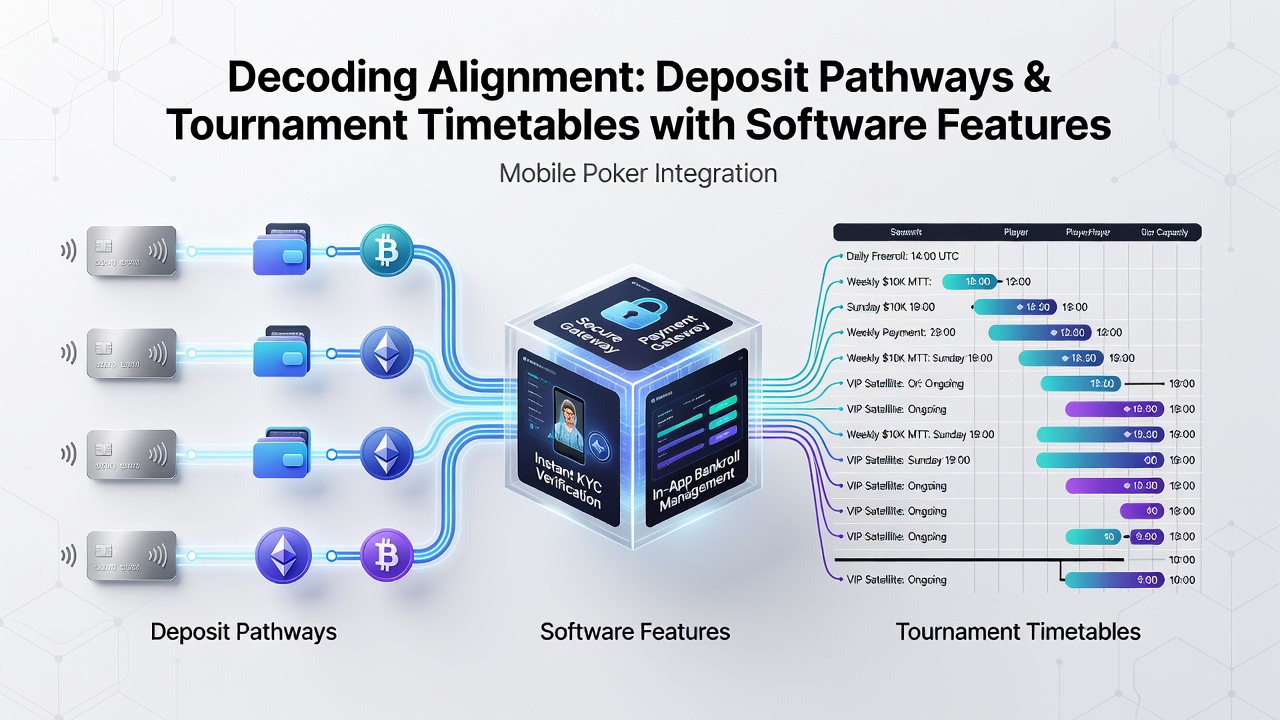
Analytics tools embedded in these environments track alignment success by measuring the interval between deposit completion and tournament entry confirmation, and data indicates average intervals have shortened over successive software versions. Regulatory frameworks in jurisdictions such as those overseen by the Malta Gaming Authority require detailed audit trails for these interactions, which operators satisfy through automated logging that captures both financial and scheduling metadata.
Regional Variations and Emerging Patterns
Operators in North American markets often prioritize instant deposit methods that sync with evening tournament blocks, whereas European platforms emphasize scheduled rollouts aligned with deposit processing windows across time zones. Research indicates that emerging 5G networks further tighten these alignments by reducing data transfer delays, enabling features like live balance updates during active tournament play. Those monitoring industry trends point to increased use of blockchain verification in select environments, which adds an extra layer of confirmation before timetable access is granted.
Software updates scheduled for mid-2026 aim to incorporate predictive analytics that forecast deposit needs based on historical user behavior and upcoming timetable density, and this development builds on existing alignment infrastructure rather than replacing it. External industry reports from organizations like the European Gaming and Betting Association document steady growth in mobile poker participation tied to these technical refinements.
Conclusion
The interplay between deposit pathways, tournament timetables, and mobile software features creates a cohesive environment where transaction success directly influences schedule access, and ongoing refinements continue to reduce friction while meeting regulatory standards across multiple jurisdictions. Data from diverse sources confirms that these alignments support higher operational efficiency without compromising security or compliance requirements.