Cryptocurrency Integration Reshaping Efficiency and Access in Virtual Card Room Platforms
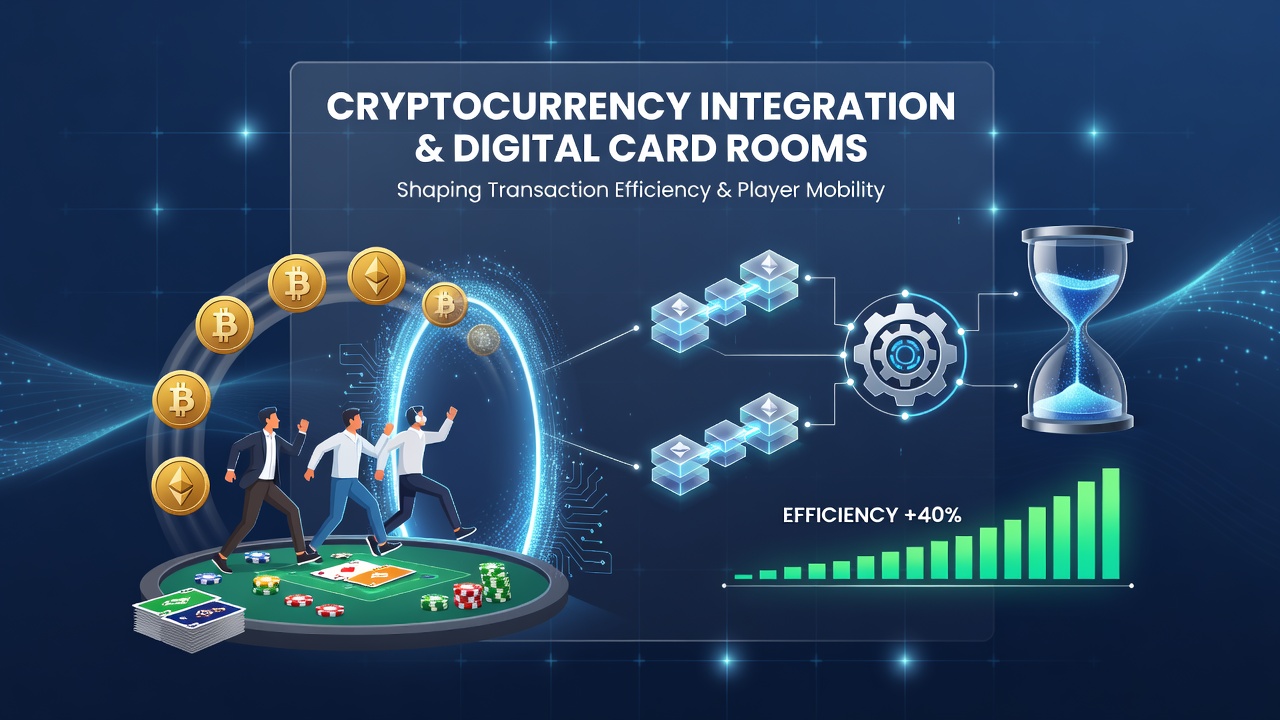
Digital card rooms have seen steady adoption of cryptocurrency options since the early 2020s and observers note continued expansion into 2026 as blockchain networks mature. Research indicates that platforms integrating Bitcoin, Ethereum, and stablecoins report deposit times reduced from hours to under ten minutes on average while withdrawal processing often completes within thirty minutes compared to traditional banking delays that stretch one to five business days. Data from industry tracking services shows transaction fees dropping by up to 70 percent on average when crypto rails replace credit card or wire transfers because intermediaries are removed from the process.
Transaction Efficiency Gains Through Blockchain Networks
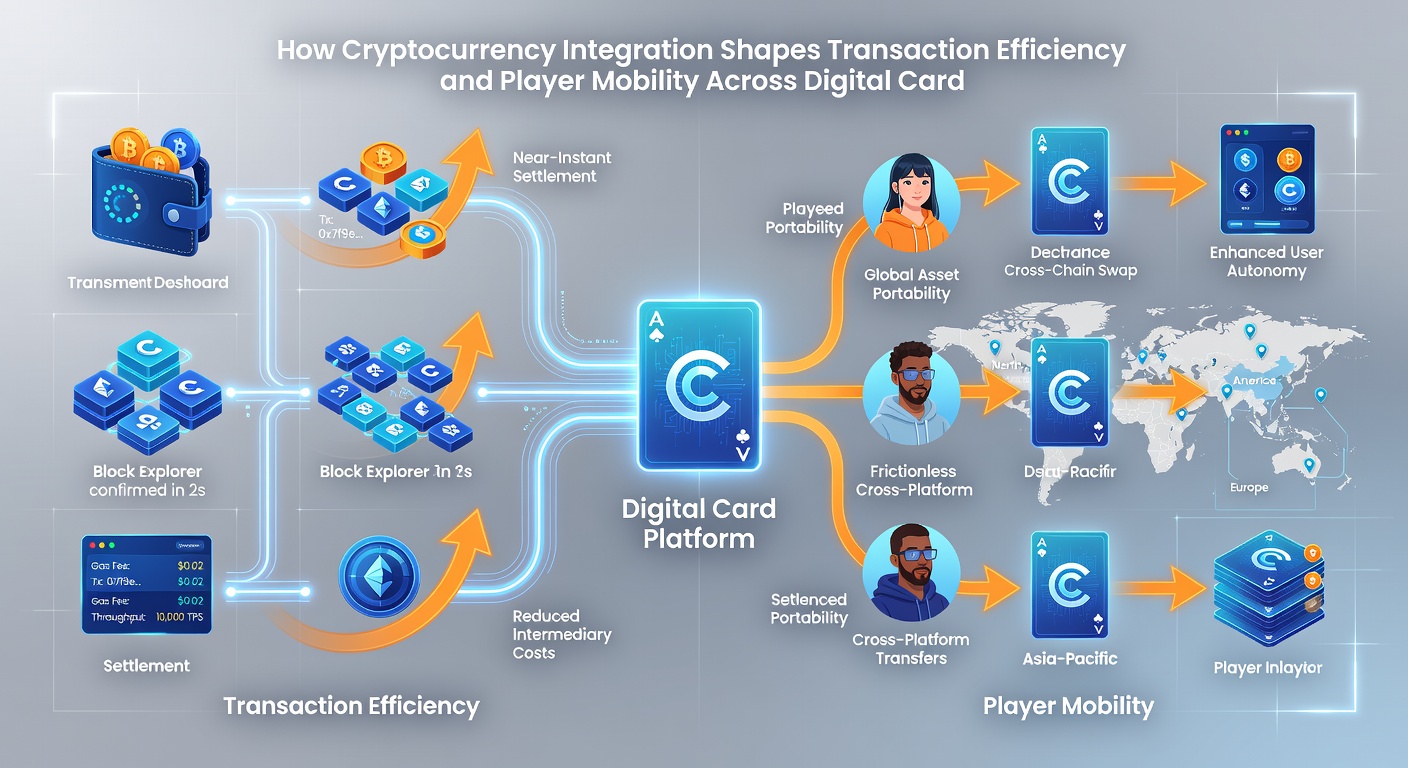
Blockchain ledgers enable near-instant settlement once confirmations occur and experts point out that this speed advantage compounds during peak hours when card room traffic spikes. Multiple platforms now route player funds through layer-two solutions such as Lightning Network or Polygon which handle thousands of transactions per second at fractions of a cent per transfer. Figures released in early 2026 reveal that operators using these networks processed over 40 percent more volume during evening rush periods without corresponding increases in support tickets related to payment failures. Those who've examined platform analytics note that reconciliation becomes automated because every transfer carries an immutable timestamp and wallet address record eliminating manual reviews that once consumed staff hours daily.
Stablecoin variants further smooth efficiency because their peg to fiat currencies reduces volatility exposure during the brief window between deposit and table buy-in. Operators report fewer disputes over currency fluctuations and players experience consistent chip values across sessions. According to transaction volume reports compiled by European gaming analytics firms the share of stablecoin activity in digital card rooms climbed from 18 percent in 2024 to 34 percent by June 2026.
Player Mobility Across Borders and Platforms
Cryptocurrency wallets allow users to move funds without reliance on local banking infrastructure which opens access for players in regions where traditional payment processors restrict gambling-related transfers. Research from North American academic centers shows that wallet portability lets individuals shift balances between multiple card rooms in minutes rather than waiting for ACH or SWIFT clearances that can take several days. This mobility proves especially relevant for frequent travelers who maintain balances in digital assets and load them onto whichever licensed platform operates in their current jurisdiction.
Anonymity features inherent in many crypto transactions also reduce friction for players who prefer privacy when crossing regulatory boundaries. While platforms still enforce know-your-customer checks at withdrawal stages the initial funding step bypasses some geographic blocks that legacy systems impose. Canadian regulatory filings from 2025 documented a 22 percent rise in cross-border player registrations on crypto-enabled sites compared with the prior year while Australian market data indicated similar patterns among users favoring decentralized assets.
Operational Adjustments and Platform Adaptations
Card room operators must integrate wallet APIs and maintain hot and cold storage protocols to handle crypto inflows and outflows securely. Those who've reviewed backend reports note that security audits now include smart contract reviews alongside traditional penetration testing because vulnerabilities in payment smart contracts could expose user balances. Training programs for support teams have expanded to cover blockchain explorers and transaction hash verification so agents can assist players tracing delayed confirmations during network congestion periods.
Compliance teams coordinate with on-chain analytics providers to monitor for sanctioned addresses and money laundering patterns. Data shared by international gaming associations in mid-2026 indicates that platforms employing real-time screening tools reduced flagged transactions by 65 percent while maintaining throughput levels. These adaptations require ongoing investment yet deliver measurable reductions in chargeback rates because crypto transfers are irreversible once confirmed.
Challenges Remaining in the Integration Landscape
Network congestion on major blockchains during high-demand periods can still introduce delays although layer-two options mitigate most instances. Price volatility persists as a consideration even with stablecoins because liquidity pools occasionally experience temporary imbalances. Observers note that regulatory clarity varies widely across jurisdictions and operators must maintain separate fiat and crypto compliance frameworks to satisfy licensing requirements in each market they serve.
Education remains necessary for players unfamiliar with seed phrase management and wallet security best practices. Platforms that added guided onboarding flows reported higher retention among new crypto users according to internal metrics shared at industry conferences. Those studying user behavior patterns find that once players complete their first successful deposit and withdrawal the repeat usage rate climbs substantially.
Conclusion
Cryptocurrency integration continues to alter how digital card rooms handle payments and support player movement between platforms. Transaction records from 2026 show measurable improvements in speed and cost while mobility metrics reflect broader geographic participation. Operators that maintain robust security and compliance protocols alongside these payment options position themselves for sustained volume growth as more users adopt digital assets for everyday online activity.