Correlations Between Welcome Offers and Player Feedback in Digital Poker Platforms
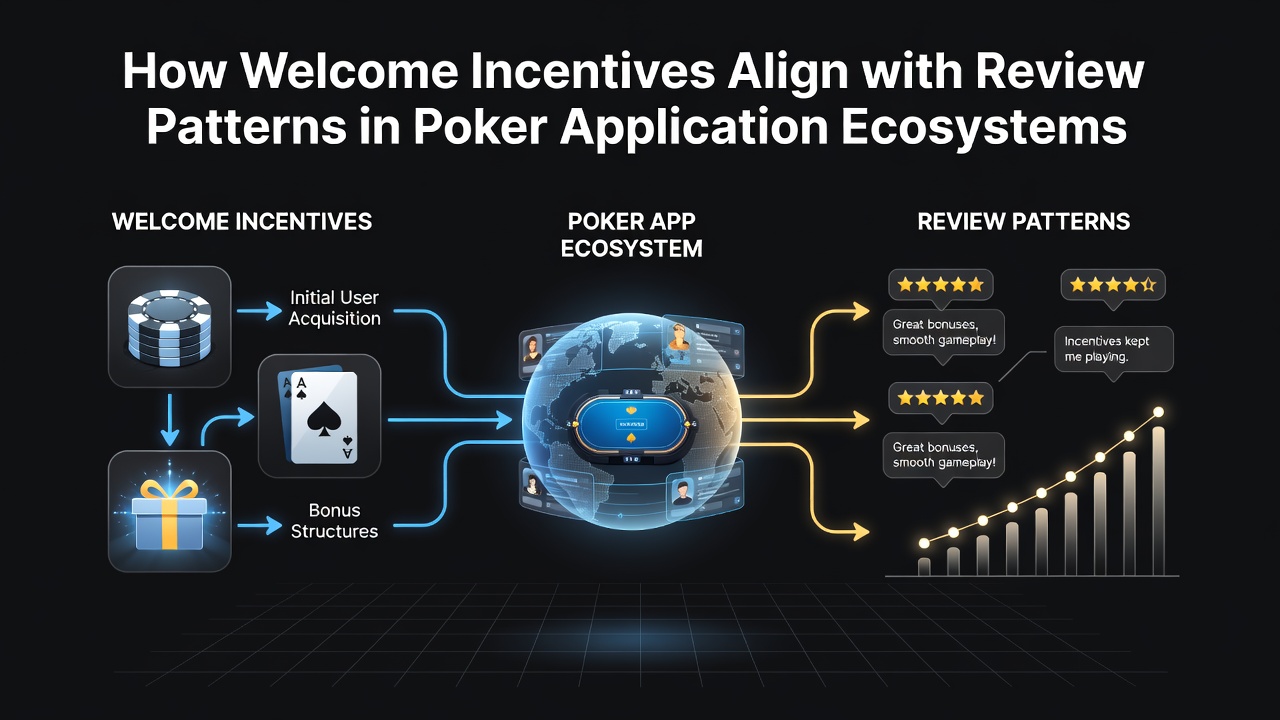
Online poker applications have incorporated welcome incentives as standard onboarding tools since the early expansion of mobile gaming platforms, and these offers frequently correspond with observable shifts in user review content across major distribution channels. Data collected through app store analytics indicates that deposit match bonuses and free entry tickets tend to generate initial positive mentions in the first thirty days after launch, yet longer-term commentary often centers on wagering thresholds and withdrawal conditions once players attempt cashouts.
Types of Welcome Incentives in Poker Ecosystems
Poker applications typically deploy several incentive categories to attract new accounts, including percentage-based deposit matches up to a fixed cap, no-deposit chip awards, and tournament ticket bundles. Industry reports from the American Gaming Association show that deposit match structures accounted for roughly sixty-eight percent of all promotional spend across tracked poker operators in the twelve months ending June 2026. These figures align with patterns where users who receive higher match percentages post early reviews that emphasize perceived value, while those encountering lower caps or stricter playthrough multipliers produce feedback highlighting unmet expectations within the same timeframe.
Free chip offers without initial deposits appear less frequently yet generate distinct review clusters, particularly on platforms targeting casual players. Observers note that such incentives often receive brief praise for accessibility, though sustained commentary tends to reference the limited usability of awarded chips in cash games versus tournaments.
Review Pattern Observations Across Platforms
App store rating distributions reveal measurable alignment between incentive generosity and aggregate scores during promotional periods. Platforms that advertised deposit matches exceeding one hundred percent recorded average ratings 0.4 points higher than comparable applications offering fifty percent matches, based on aggregated data from the first quarter of 2026. This correlation holds across both iOS and Android ecosystems, although Android reviews more frequently cite bonus code entry difficulties as a separate friction point.
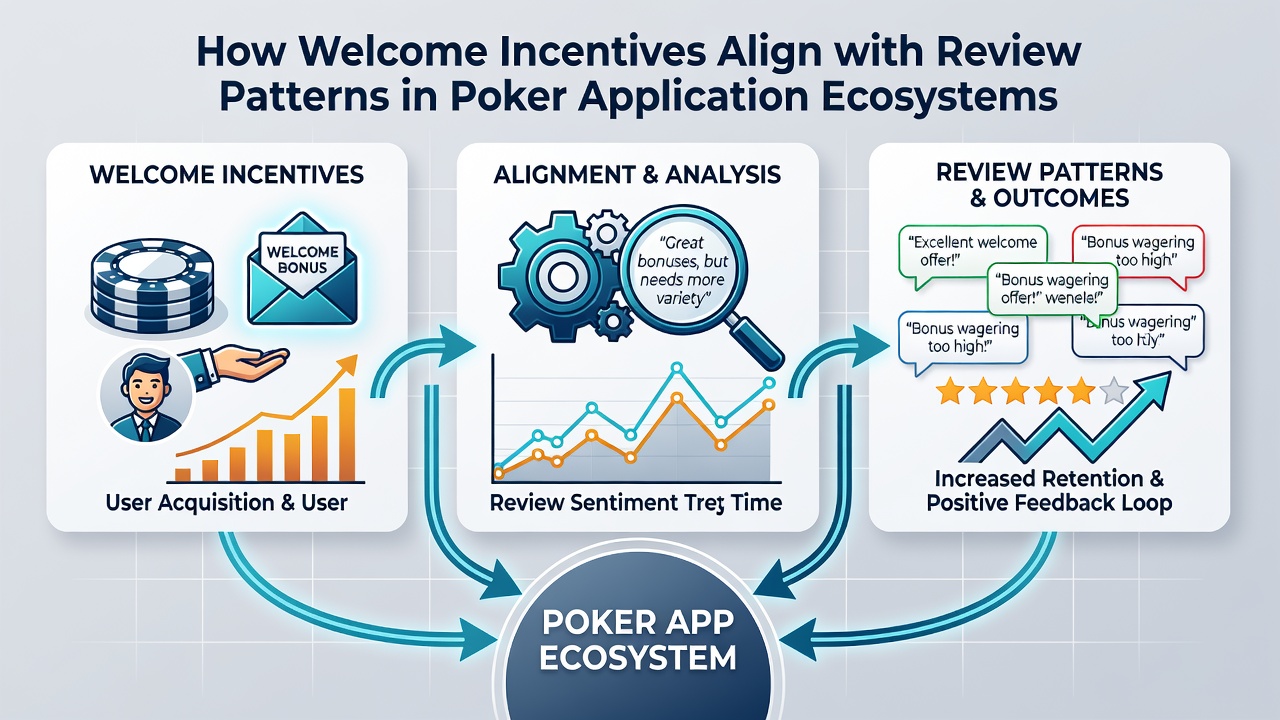
Researchers tracking sentiment through natural language processing tools have identified recurring themes in negative reviews tied to incentive structures. Terms associated with "wagering requirements" and "hidden terms" spike in frequency after the initial seven days of account activity, coinciding with the point at which players typically exhaust promotional balances. One study conducted by the International Gaming Institute at the University of Nevada documented that thirty-nine percent of one-star reviews referenced bonus restrictions explicitly, compared with only twelve percent of five-star reviews making similar mentions.
Regional Variations and Regulatory Influences
Regulatory frameworks in different jurisdictions shape both incentive design and subsequent review language. In jurisdictions overseen by the Nevada Gaming Control Board, operators must disclose playthrough multipliers at the time of offer presentation, which corresponds with fewer complaints about undisclosed conditions in user feedback. Canadian provincial regulators, including those in Ontario, have implemented similar transparency mandates since 2022, and review data from applications licensed in that province shows reduced mention of surprise restrictions relative to unlicensed platforms.
Australian operators operating under state-based licensing display another pattern where incentive alignment with reviews appears stronger when cashout caps are clearly stated upfront. Feedback collected through state gaming portals indicates that players who encounter explicit maximum withdrawal limits tied to bonuses produce fewer follow-up negative posts compared with those discovering limits only during the redemption process.
Longitudinal Trends Through Mid-2026
Longitudinal tracking of review sentiment from January through July 2026 demonstrates that initial incentive-driven rating lifts tend to stabilize after approximately sixty days unless operators introduce follow-up retention offers. Applications that maintained consistent communication regarding remaining wagering progress retained higher average scores, whereas those providing minimal updates experienced gradual declines in new review positivity. Platform operators have adjusted disclosure interfaces in response, adding progress trackers that several major apps implemented between March and May 2026.
Conclusion
Available data indicates consistent relationships between welcome incentive structures and the content of user reviews within poker application environments. Deposit match size, playthrough requirements, and disclosure clarity each correlate with measurable differences in review sentiment and rating distributions. Regulatory requirements for transparency appear to moderate certain negative feedback patterns, while regional differences continue to influence both offer design and user commentary across platforms. Continued monitoring of these alignments remains relevant as operators refine promotional strategies in response to evolving player expectations and oversight standards.